Products

EMCE Man-Riding Winches

EMCE Man Riding Winches

Man-riding winches are indispensable safety tools in the oil and gas industry, providing a secure means of transporting personnel to and from elevated and confined spaces, such as offshore platforms and drilling rigs. Designed with meticulous attention to safety, these winches adhere to rigorous standards and regulations, ensuring the well-being of workers in this high-risk environment.

About EMCE Man Riding Winches

Equipped with anti-fall systems, redundant braking mechanisms, and emergency stop features, these winches safeguard against accidents and are regularly inspected and maintained to uphold their reliability.

Proper training, adherence to load capacity limits, and the use of personal protective equipment further contribute to the safety of those who depend on man-riding winches for access to critical work areas. In this demanding sector, these winches stand as a vital component of risk management, essential for maintaining the safety and efficiency of oil and gas operations.

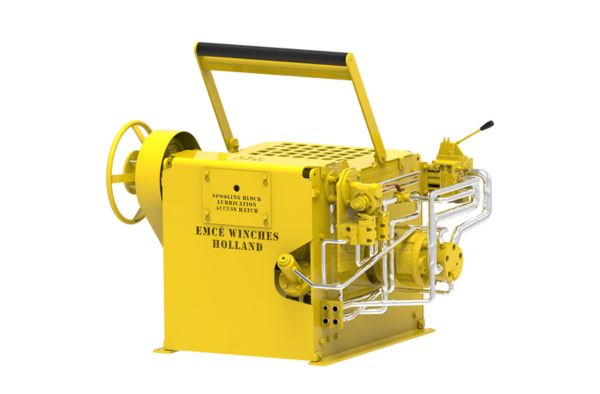
Man riding winches distributed by Red Rooster Lifting are mainly built to client specifications and can be executed with a self-braking worm, helical or planetary gear depending on the load required. The drive can be either electric, hydraulic or pneumatic. EMCÉ has supplied man riding systems up to a working load limit of 10,000 kg.

EMCÉ has supplied winches for the following applications:

  • safety harness or boatswains chairs
  • diving frame applications
  • baskets or platforms
  • cable way rescue winches

Red Rooster Lifting’s EMCE winches comply with the UK Machinery (Safety) Regulations 2008 and the European Machinery Directive. The equipment can be UKCA marked or CE marked.
Read more

1 item

FAQs

Some common applications include:

Offshore Platforms: Man-riding winches are used to access offshore drilling platforms, production platforms, and other offshore installations, where workers need to be transported from the vessel or boat to the platform.

Drilling Rigs: Workers on drilling rigs often need to be lifted from the rig floor to the derrick or other elevated areas, and man-riding winches facilitate this vertical transportation.

Maintenance and Inspection: These winches are employed for routine maintenance, inspections, and repairs on equipment, pipelines, and structures located at heights or in hard-to-reach areas.

Tank and Vessel Entry: When personnel need to enter confined spaces like storage tanks, vessels, or pipelines, man-riding winches help lower them safely into these spaces and retrieve them afterward.

Wellhead Access: Man-riding winches assist in providing access to wellheads and other critical components of oil and gas well operations.

Construction and Installation: During the construction and installation of offshore structures, such as subsea templates, man-riding winches facilitate safe and efficient access for the workforce.

Decommissioning: In the decommissioning phase of oil and gas facilities, man-riding winches are used to access and dismantle structures or equipment that are no longer in use.

Emergency Evacuation: Man-riding winches can also serve as a means of emergency evacuation in situations where personnel need to be quickly and safely evacuated from an offshore platform or drilling rig during a crisis.

Man-riding winches used in various industries, including the oil and gas sector, must adhere to strict safety regulations and standards to ensure the safety of personnel. These regulations can vary depending on the country and region, but some common international and industry-specific standards and guidelines that man-riding winches typically adhere to include:

ISO 4309: This international standard outlines general requirements for the design, construction, and maintenance of wire rope winches. It includes specific requirements for winches used for man-riding and is a key reference for ensuring the safe operation of such equipment.

API RP 2D: The American Petroleum Institute (API) has established this recommended practice for the safe operation and maintenance of offshore cranes and winches, including those used for man-riding. API RP 2D provides guidelines for inspection, testing, and maintenance of this equipment.

OSHA Regulations: In the United States, the Occupational Safety and Health Administration (OSHA) enforces regulations related to man-riding winches and other lifting devices. OSHA’s regulations set safety standards for equipment, operator training, and workplace safety.

European Union Directives: In Europe, man-riding winches must comply with relevant directives, such as the Machinery Directive (2006/42/EC) and the ATEX Directive (2014/34/EU), depending on the specific use and location.

Local Regulations: Many countries have their own specific regulations governing the use of man-riding winches, and these can vary widely. Companies operating in the oil and gas industry must comply with the regulations of the country or region where they are conducting their operations.

Industry Best Practices: In addition to official regulations, the industry often follows best practices and guidelines established by industry associations, such as the International Marine Contractors Association (IMCA) and the Offshore Petroleum Industry Training Organization (OPITO).

Manufacturer’s Recommendations: Man-riding winch manufacturers typically provide detailed instructions, safety guidelines, and maintenance requirements specific to their equipment. These recommendations must be followed closely to ensure safe operation.