Products

Manual Chain Hoists

Manual Chain Hoists

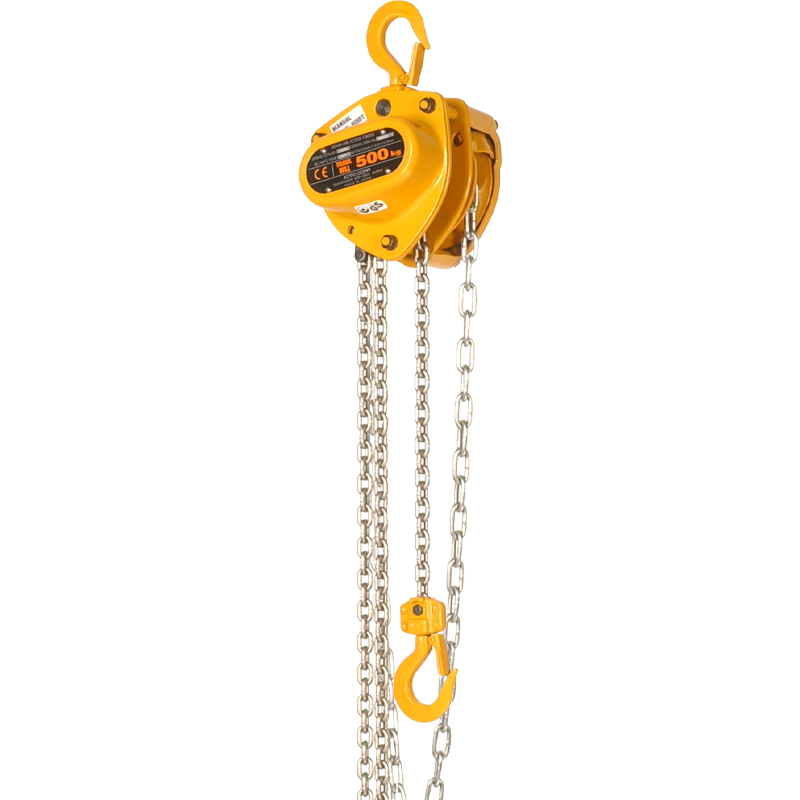
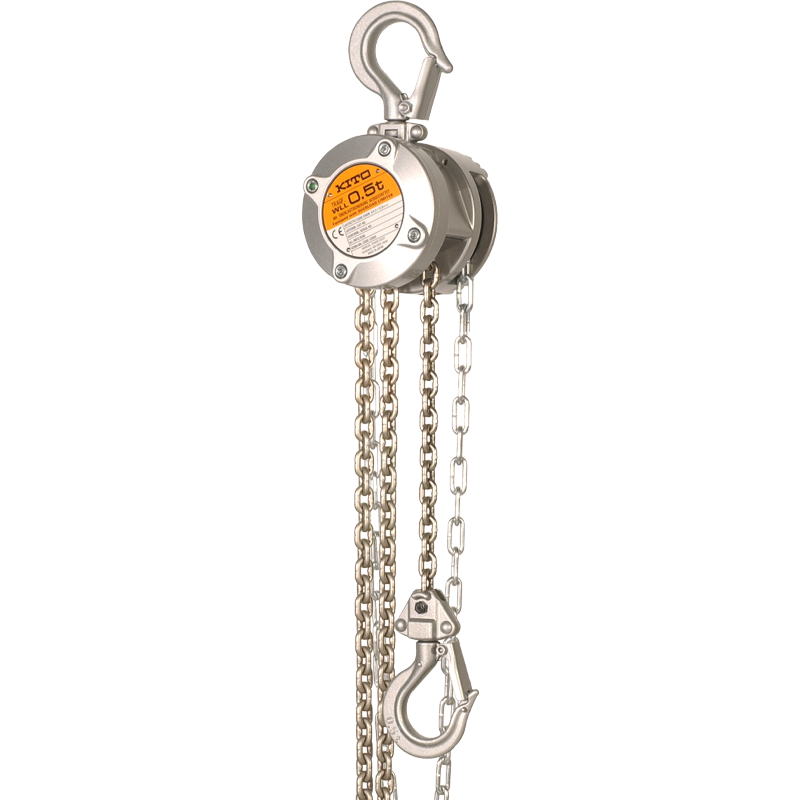
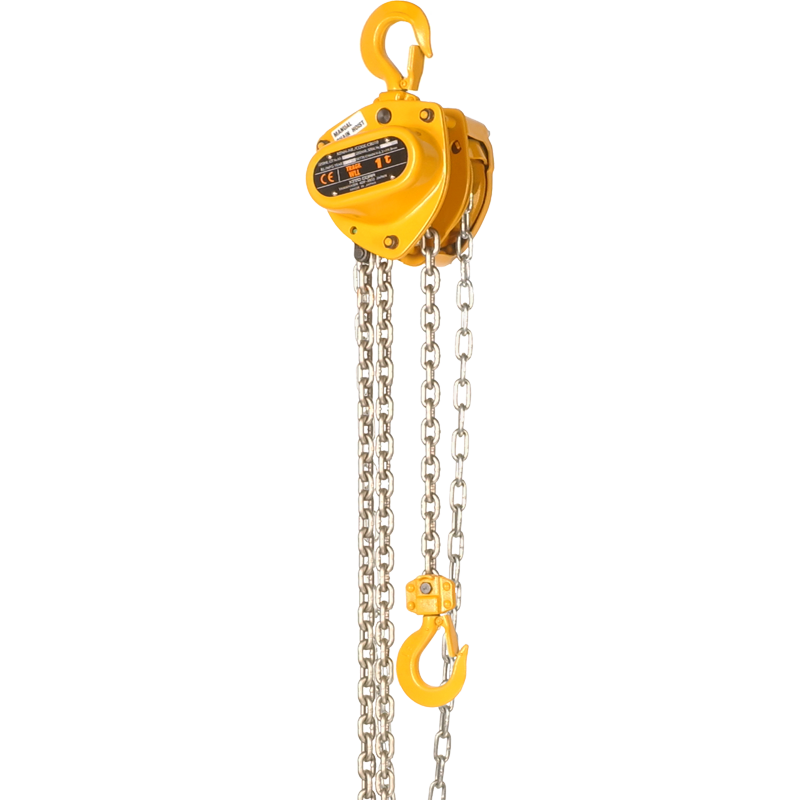
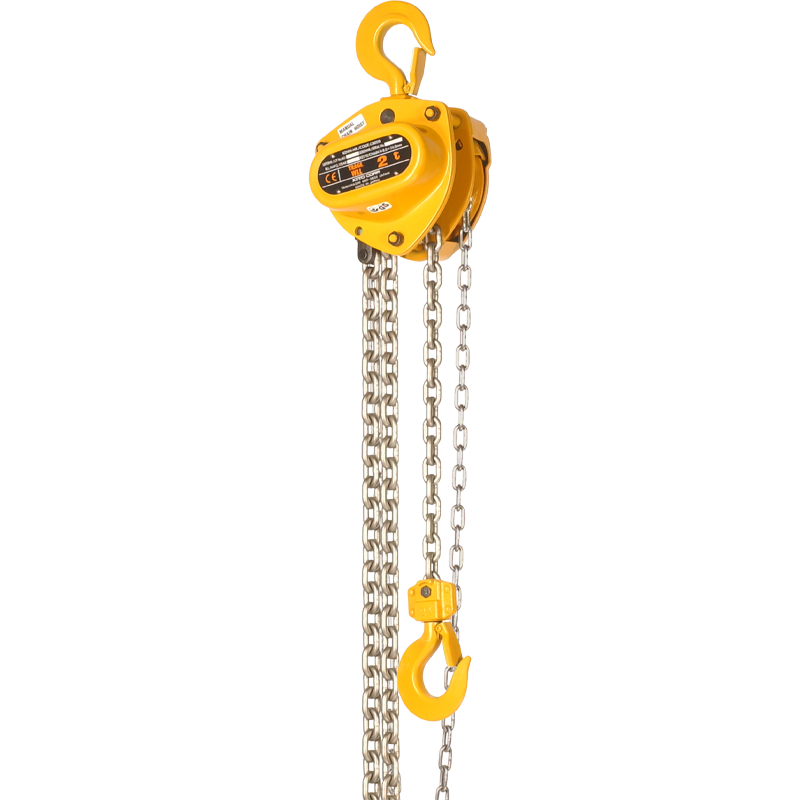
A manual chain hoist, also known as a chain block, is a hand operated hoist that is easy to use and portable. Manual chain hoists are widely used in various industries for their simplicity, portability, and effectiveness in situations where electric or hydraulic power is not available.

Red Rooster Lifting supplies KITO manual chain hoists with load capacities ranging from 250 kg to 50 tonne.

About our Manual Chain Hoists

Some key features and aspects of a manual chain hoist include:

Load Chain:

The KITO manual hoists feature Nickel-plated load chain grade T Series V in accordance with standard EN 818-7. The load chain is a crucial component of the hoist and is designed to withstand heavy loads, providing a reliable means of lifting.

Load Hook:

The load hook features a safety latch and a large internal diameter allowing sufficient space for slings

Hand Chain:

The hand chain is used to manually operate the hoist. Pulling the hand chain in one direction lifts the load, while pulling it in the opposite direction lowers the load.

Gear Mechanism:

Manual chain hoists incorporate fine toothed gearing, which creates millimetre-precise lifting movements and low manual operating force. The gear wheels and the load pinion are forged, machined and heat treated ensuring maximum resistance and material strength.

Brake System:

Manual chain hoists are equipped with a secure and reliable brake mechanism that engages automatically when the operator stops pulling the hand chain. This brake ensures that the load remains in the desired position and prevents it from lowering uncontrollably.

Housing and Frame:

The hoist’s internal components are housed in an impact-resistant, double-walled casing that protects against deformation and damage and designed to be rugged and withstand the rigours of industrial use.

Capacity and Lift Height:

The KITO manual chain hoists come in various capacities, ranging from 250 kg to 50 tonne. The lift height refers to the maximum vertical distance the load can be raised.

Overload Protection:

Some manual chain hoists are equipped with overload protection features to prevent damage to the hoist in case the load exceeds its rated capacity.

Hire a Manual Chain Hoist

At Red Rooster Lifting we aim to offer you, the customer, the equipment you need when you need it. Our experienced staff will help advise you with your equipment needs and will quickly confirm price and availability.

From our stock of over 400 hoists, load cells and other lifting solutions we can offer something to meet your requirements. A large part of our rental hoists and trolleys are between 10 tonne to 50 tonne.

Our hire rates reflect the duration, the quantity of equipment and specification required. From our head office in Aberdeen and depot in West Bromwich, we can supply our range of equipment worldwide at the most competitive rates possible.

  •  Avoid the capital outlay of new equipment
  • Technical support always available
  • Equipment tailored to your requirements
  • Leave the plant maintenance to your lifting team
  • Fast availability of large quantities and capacities at short notice

To hire a manual chain hoist, use form on our hire page or call our sales team today.

Read more

FAQs

A manual chain hoist, also known as a chain block or hand chain hoist block, operates through a simple yet effective mechanical system. It’s designed to lift heavy loads by using a hand chain to pull a load chain through a set of gears and pulleys.

The basic principle is that when you pull the hand chain, it turns gears or pulleys inside the hoist, which in turn moves the load chain, allowing you to lift the load. When you stop pulling the hand chain, the brake engages to hold the load securely in place.

It’s important to use manual chain hoists within their specified weight limits and follow proper safety procedures to prevent accidents and ensure the safe handling of heavy loads.

Lifting Hook: At one end of the load chain, there is a lifting hook featuring a safety latch to secure the load. This hook is designed to attach to the load that needs to be lifted.

Hand Chain: The hand chain is manually pulled by the operator to lift the load.

Gearing Mechanism: Inside the hoist housing, there is a gearing mechanism of gears and a ratchet system. When the operator pulls the hand chain, the gears engage, and the ratchet prevents the load from descending when the hand chain is released.

The gearing mechanism and brake system work together to control the lifting and lowering process, providing a safe and reliable means of handling heavy loads manually.

Manual chain hoists offer several advantages, making them a popular choice for various lifting applications. Here are some of the key advantages:

Portability: Manual chain hoists are typically compact and lightweight, making them highly portable. They are easy to transport to different job sites and can be used in locations where access to power sources may be limited.

No Power Source Required: One of the significant advantages of manual chain hoists is that they don’t rely on external power sources, such as electricity or batteries. This makes them versatile and suitable for use in remote locations or areas with unreliable power supply.

Simple Operation: Manual chain hoists have a straightforward and easy-to-understand operation. Users can quickly learn how to operate them safely with minimal training. This simplicity can be an advantage in situations where rapid deployment and operation are essential.

Durability and Reliability: Manual chain hoists are built to be robust and durable. They can withstand tough working conditions and heavy use. With proper maintenance, they have a long lifespan, providing a reliable solution for lifting and lowering loads. KITO Manual Chain Hoists also come with a 24-month manufacturer warranty at no extra cost.

Low Maintenance: KITO manual chain hoists require less maintenance compared to powered hoists, due to their premium components and simple design. This means a reduced need for frequent maintenance.

Quiet Operation: Manual chain hoists operate quietly, which can be advantageous in environments where noise levels need to be kept to a minimum. This makes them suitable for use in residential areas or other settings where noise pollution is a concern.

Despite these advantages, it’s important to note that manual chain hoists do have limitations in terms of lifting capacity and the physical effort required from the operator. For heavier loads and more frequent use, powered hoists may be a more suitable option.