

For businesses tackling short-term projects, the decision of whether to rent or buy lifting equipment can significantly impact both the project’s bottom line and its operational efficiency. At Red Rooster Lifting, we understand the complexities involved in this choice.
Let’s delve into a comprehensive cost-benefit analysis to help you make an informed decision for your next short-term lifting project.
Understanding Your Project Needs
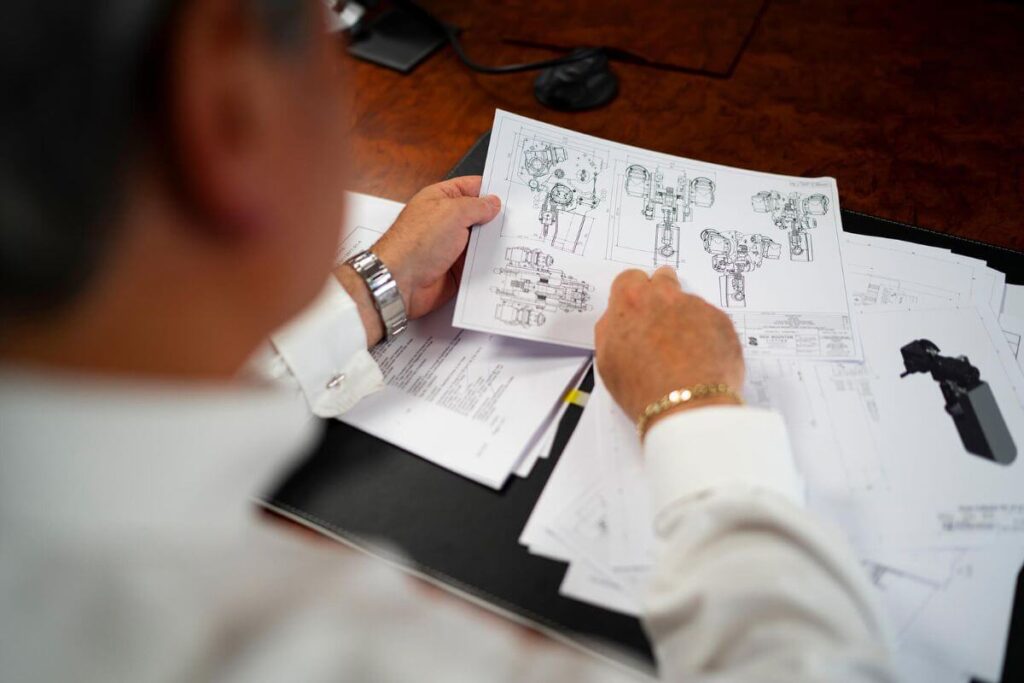
Before weighing up the pros and cons of renting versus buying, it’s crucial to have a clear understanding of your specific project requirements. A detailed assessment of these will provide the foundation for a truly informed decision.
Project Duration and Frequency
How long will your project last?
Is it a one-off task that will be completed in a few days or weeks, or do you anticipate similar short-term projects recurring frequently throughout the year? For instance, a single, two-week installation project will probably make renting more practical, as the equipment is only needed for a limited period.
On the other hand, if your business carries out multiple small lifting tasks every month over the course of the year, the cumulative rental costs could quickly make purchasing a more economical long-term solution.
Type of Lifting Equipment Required
What specific lifting capacity and type of equipment do you need?
This isn’t just about load requirements; it’s about the functionality and features. Do you need a simple manual hoist for light loads in a compact space, a powerful air hoist for heavy-duty lifting in an industrial environment, an air hoist for repetitive lifting and lowering operations, or an air hoist with a pneumatic beam brake designed for use where space is limited on an FPSO vessel.
The initial cost and ongoing maintenance requirements vary significantly between these types. For example, a piece of equipment that will only be used occasionally might be prohibitively expensive to buy and maintain for a short-term project.
Site Conditions and Accessibility
Consider the environment where the lifting will take place.
- Are there any space constraints that necessitate compact equipment?
- Will the equipment be exposed to harsh weather conditions, extreme temperatures, or hazardous substances?
- Is the lifting area easily accessible for delivery and set-up, or will specialised transport and rigging be required?
These factors might dictate the type of equipment suitable and whether it’s more practical to rent a tailored solution that includes delivery and setup, or invest in a versatile piece that can adapt to various conditions if you anticipate diverse future projects.
At Red Rooster Lifting, we can assess your equipment requirements, install and commission equipment, and carry out training for your staff to familiarise them with the equipment, regardless of whether or not you are buying or renting.
Operator Skill and Certification
Do you have personnel on staff who are trained and certified to safely and competently operate the specific lifting equipment required?
If not, the cost of training and certification for your team needs to be factored into the “buying” equation. According to LOLER, lifting operations must be planned, supervised, and carried out by competent individuals.
Equipment issued by Red Rooster Lifting, whether for purchase or hire, is certified for 6 or 12 months’ use as standard.
The Case for Renting Lifting Equipment
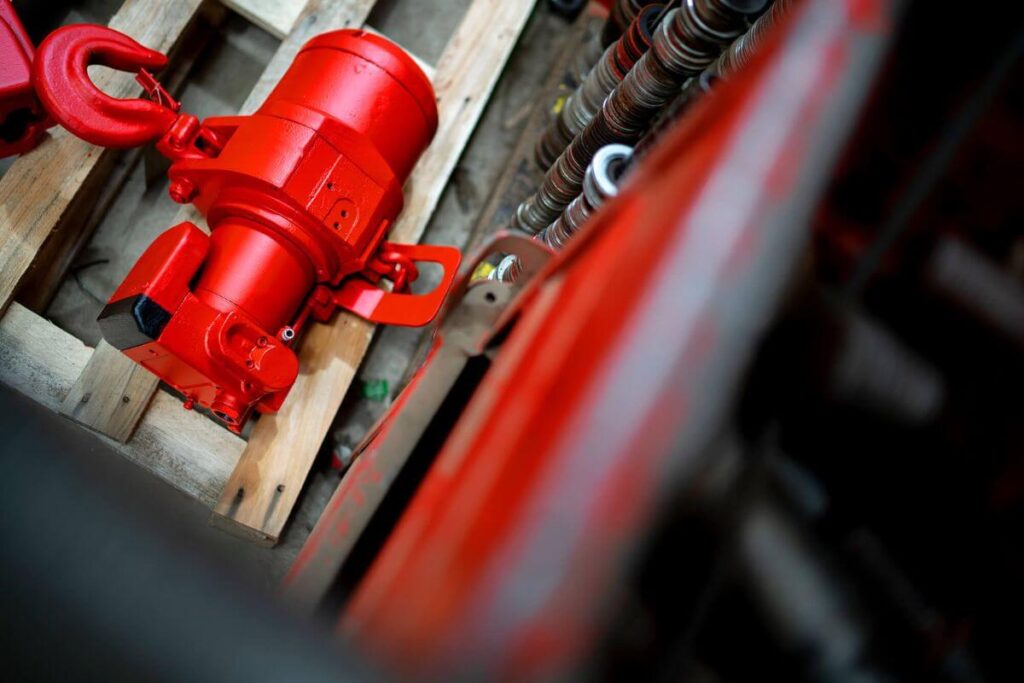
Renting lifting equipment for short-term projects offers a compelling set of advantages, particularly for businesses seeking flexibility and cost control.
Financial Benefits
Hire of lifting equipment avoids the substantial upfront capital expenditure associated with purchasing new.
This frees up significant capital that can be allocated to other essential project operations. You also eliminate ongoing costs such as:
- depreciation (the reduction in value over time)
- expensive storage facilities
Operational Advantages
With renting, you gain access to a wide range of modern, well-maintained equipment without the responsibility of routine maintenance, or unexpected repairs.
At Red Rooster Lifting, we meticulously inspect and service our fleet, ensuring that the equipment is in peak working condition, certified, and compliant with all relevant safety standards. This means less downtime for your project due to equipment malfunction and significantly reduced operational headaches for your team.
Renting allows for unparalleled flexibility; you can easily scale up or down your equipment needs as the project evolves, swapping out one type of hoist for another if requirements change, without being stuck with an unsuitable asset.
Risk Mitigation
Renting effectively shifts much of the risk associated with equipment ownership to the lifting hire company.
This includes the substantial risk of equipment becoming outdated – as technology advances, owned equipment can become superseded by newer, more efficient lifting solutions. You also mitigate the financial burden and operational disruption of unexpected breakdowns; if a rented hoist fails, we will repair it or provide a prompt replacement, minimising project delays and costs.
The responsibility for compliance with ever-evolving safety regulations and certifications also lies with us, reducing your regulatory burden.
Looking to hire a lifting solution? Explore our hire fleet of hoists and load cells today.
The Case for Buying Lifting Equipment
While renting has its merits, purchasing lifting equipment can be the more strategic choice in certain scenarios, especially when long-term vision and operational independence are priorities.
Long-Term Financial Considerations
If your business frequently undertakes projects requiring the exact same type of lifting equipment over several months or even years, the cumulative cost of renting can eventually surpass the initial purchase price. For instance, if you are looking to rent a specific air hoist for 9-12 months, those accumulated rental fees might exceed the cost of buying that same hoist outright.
Over time, purchased equipment becomes a tangible asset on your balance sheet that can be depreciated, offering tax benefits, and potentially resold at the end of its useful life, providing a return on your initial investment.
Operational Control and Availability
Owning your equipment provides unparalleled control over its availability and usage.
You aren’t reliant on a rental company’s inventory, delivery schedules, or potential last-minute availability issues. This is particularly advantageous for urgent, unscheduled tasks or projects with extremely tight deadlines where immediate access to equipment is critical.
You can deploy your equipment whenever and wherever it’s needed, without any external dependencies, leading to greater operational agility and responsiveness.
Brand Consistency/Image
For some businesses, owning a fleet of equipment, especially high-quality, well-maintained, and branded machinery, can contribute significantly to a professional image and reinforce brand consistency.
Custom paint options are available to align with your company’s brand identity. In addition, specific paint systems can be used to match your project requirements, these can include specialist inspection and coatings for challenging environments.
Hidden Costs and Considerations
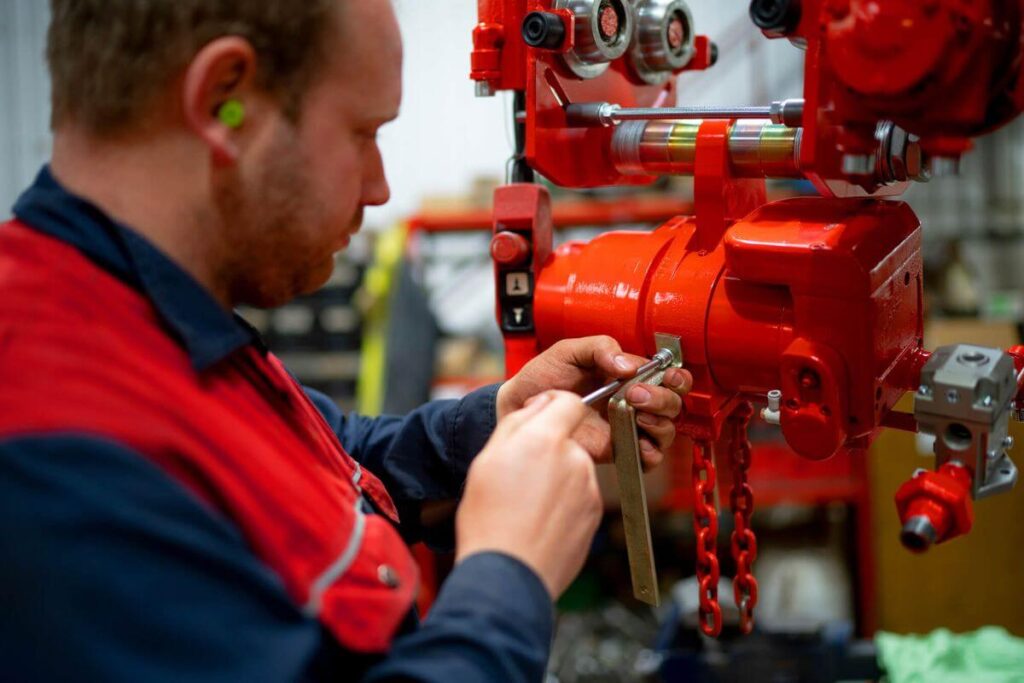
Beyond the obvious expenses, both renting and buying come with their own set of less apparent costs that can significantly impact your overall project budget.
For Renting
- Transportation Costs: The cost of transporting equipment to and from the rental yard can add up, especially for larger, heavier, or more specialised units that require specific hauling equipment. This includes loading, unloading, and potential permits.
- Damage/Mis-Use/Loss: If equipment is damaged or lost during the rental period, costs may be incurred.
For Buying
- Maintenance and Repairs: This is a substantial ongoing expense. It includes not only routine servicing and preventative maintenance (e.g., lubrication, inspections) but also the cost of unexpected breakdowns, replacement parts, and the labour of skilled technicians.
- Storage: Secure, weather-protected, and easily accessible storage facilities are essential for owned equipment. This can mean allocating valuable workshop space or incurring additional costs for off-site storage.
- Insurance and Taxes: Owned equipment requires comprehensive insurance coverage against theft, damage, and liability.
- Evolving Technology: Purchased equipment can become outdated and less efficient, potentially necessitating costly upgrades or replacement.
- Resale Value: While an asset, the actual resale value of used equipment can fluctuate significantly based on market demand, its condition, age, and technological relevance, making it challenging to predict your ultimate return on investment.
Performing Your Cost-Benefit Analysis
To make the best decision, it’s vital to quantify as many of the above factors as possible.
1. Estimate total rental costs
Sum up projected rental fees for the entire project duration, transportation costs (both ways), any required insurance.
2. Estimate total ownership costs
Calculate the initial purchase price, initial delivery and setup costs, ongoing maintenance (scheduled and estimated repairs) over the anticipated lifespan of the equipment or the duration of recurring short-term projects, storage costs, annual insurance premiums, and the cost of any training requirements. Don’t forget to factor in the potential resale value as a negative cost at the end of its useful life.
3. Compare
Directly compare the estimated total costs for both scenarios over a relevant timeframe (e.g., 1 year, 3 years, 5 years), considering the frequency of your short-term projects.
4. Consider qualitative factors
Beyond the numbers, factor in operational control, immediate availability, the degree of risk mitigation you desire, and how owning or renting aligns with your company’s long-term strategic goals.
Sometimes, the peace of mind from renting or the operational flexibility of owning can outweigh a slight cost difference.
Renting or buying – Red Rooster Lifting can help

Ultimately, the best choice depends on your unique circumstances, project pipeline, and financial strategy.
At Red Rooster Lifting, we offer a comprehensive range of high-quality lifting equipment for both rental and purchase, from robust air hoists and manual chain hoists.
Our experienced team can provide expert advice, detailed specifications, and transparent pricing to help you make the correct decision, ensuring you have the right equipment for your short-term project, whether you choose to rent or invest. We provide 24/7 support for both purchase and rental equipment. In the event of a breakdown, our technical support aims to rectify any issue encountered by the user.
Contact us today to discuss your specific needs and let us ensure you have the right tools and support you need to succeed – no matter how complex the challenge.