

Understanding the different types of winches available and their uses is essential in helping you select the right equipment for your lifting needs.
In this article, we outline the common types of winches, some common uses and what to look for when choosing a winch for your next lifting project.
Common Winch Varieties
Manual Winches
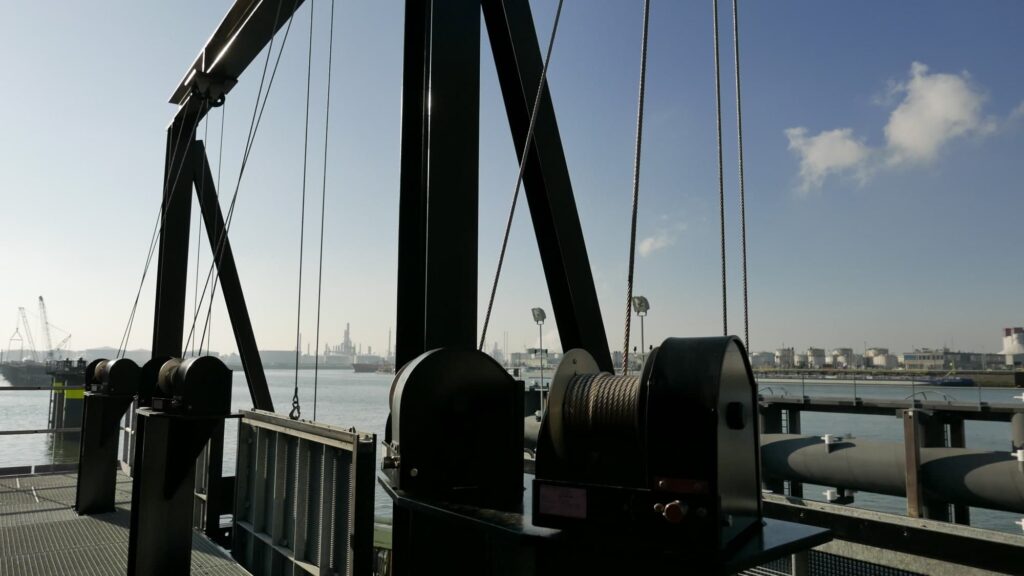
Ideal for industries like construction, marine, and manufacturing, where precise load control is required, manual winches, also known as hand winches, are the simplest and most basic type of winch.
Operated by hand, using a crank or handle to wind the cable or rope, the user can either pull in a load by winding the cable onto the spool or let it move away by winding out. With a typical pulling capacity ranging from 200 kg to 7,500 kg, these are suitable for a variety of small to moderate-scale low-frequency tasks.
Due to their lightweight nature, manual winches are generally more portable than many other winch types.
Manual winches offer reliability, cost-efficiency, and portability, making them useful in situations where power sources are unavailable or for lighter, controlled lifts.
Electric Winches
Electric winches are powered winching devices, using electricity to drive a motor-operated drum. They offer consistent pulling power and increased control through features like push-button remote operation.
The ease of use and reliable performance make them versatile tools suitable for a wide range of applications, from small-scale tasks to large industrial projects.
Capstan Winches
Primarily used in marine applications such as anchoring and mooring, Capstan winches are also applicable in construction and industrial settings. They utilise a rotating cylindrical drum for the controlled hauling of rope or cable.
These versatile winches, available in manual or powered (electric, hydraulic, pneumatic) configurations, offer high load capacity and precise control for heavy-duty pulling tasks.
Pneumatic Winches
Pneumatic winches, also known as air winches are powered by compressed air. They offer a compact and durable solution for lifting, pulling, and tensioning, particularly useful in hazardous environments like offshore drilling, due to their spark-free operation and resistance to heat and moisture.
The simple controls reduce maintenance requirements and provide efficient and reliable performance across various industries, including construction, mining, and manufacturing.
Industrial Winches
Industrial winches are heavy-duty devices designed for demanding applications, boasting high pulling capacities and exceptional durability through robust construction.
With many models equipped with advanced features like load monitoring and automatic braking systems for enhanced safety, these winches are versatile tools used across sectors such as construction, mining, marine operations, and manufacturing.
Hydraulic Winches
Hydraulic winches, powered by a hydraulic power unit, offer high pulling capacity and durability for heavy-duty tasks in industries like construction, maritime, and oil.
Their ability to operate continuously without overheating, coupled with inherent safety in hazardous environments due to the absence of electrical sparks, ensures reliable long-term performance.
Worm Gear Winches
Worm gear winches make use of a worm gear mechanism to offer significant mechanical advantage, reliability, and versatility for lifting and lowering loads in construction and industrial settings.
Their design ensures ease of operation, low maintenance due to an enclosed gear system, and enhanced safety features like emergency stops and overload protection.
Common Winch Applications in Industry
The ability of winches and pulleys to lift, pull, or haul heavy loads makes them invaluable in various scenarios. Here are some common uses:
Construction
Winches are often used to lift heavy materials like steel beams, concrete panels, and other construction components into place, while pulleys can assist in the functionality of the winch, making it more efficient to manage and transport materials.
Maritime, Marine Applications and Fishing Industries
Winches are used on fishing boats to haul in nets filled with fish, streamlining the fishing process. They also assist in managing various gear and equipment needed for marine operations, including traps and buoys, and manage anchors, allowing for easy deployment and retrieval. Man-riding winches are commonly found on the drill floor in the oil and gas industry.
Logging and Forestry
Winches are employed in logging operations to pull felled trees from the forest to a processing area. Pulleys and winches can be used to move heavy logs across uneven terrain, making it easier to manage forestry operations.
Oil and Gas, Mining & Renewables
Winches and Pulleys are widely used in Oil and Gas, Mining and Renewable settings for a wide range of applications.
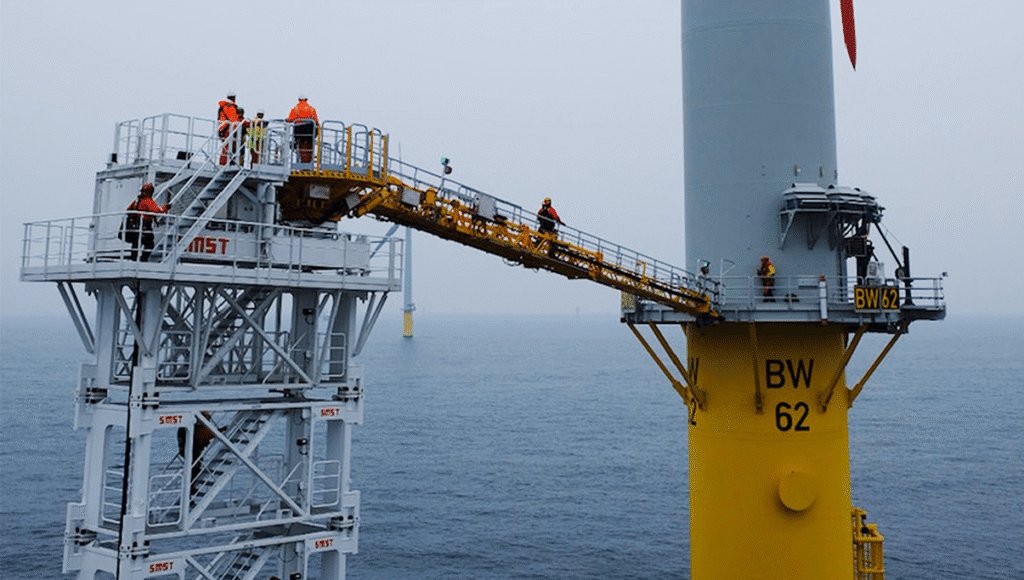
From use in conjunction with gangways for passenger boarding and exiting vessels, to the safe and efficient transportation of coal, winches are employed to keep the energy sector functioning.
As you can see, winches and pulleys are integral tools in various industries, enhancing efficiency and safety when handling heavy loads. Whatever industry you’re in, understanding the capabilities of winches and pulleys can greatly improve your work.
What to Look for When Buying a Winch
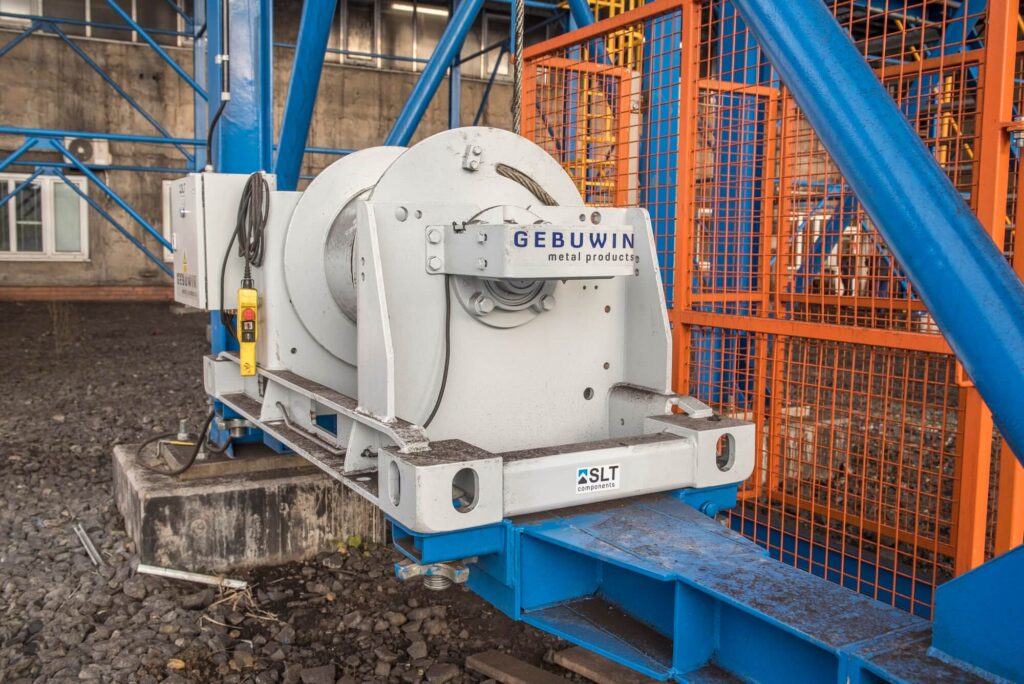
There are several factors to consider when buying a winch. While we’ve covered the various types of winch available, here are some other things to consider.
Application
Determine whether you are lifting or pulling a load. It should also be noted if you require special winch applications such as traversing, traction, pile driving, anchoring or mooring.
Weight Capacity
Determine the maximum weight of the load to be lifted or pulled. A winch’s capacity is typically measured in kilograms / tonnes.
Cable / Rope Type
Steel Cable: Durable and strong, most commonly used within industrial applications.
Synthetic Rope: Lighter in comparison to wire rope and typically used within clean and non-hazardous environments.
Cable / Rope Length
You will need to know how much rope storage you require on the drum. This requires you to know the rope working length which is the distance the load needs to travel, and the location where the winch will be mounted if the winch is not located directly next to the loads’ final location.
Optional Drum Features
Determine if a grooved or a plain drum is required. A Grooved drum can help reduce the wear on the cable/rope and assist in smooth spooling. The groove can be left-handed or right-handed, but this must be determined in advance as it is not interchangeable.
Other features are available, such as a split drum to provide two rope compartments, allowing for synchronised movement of a load. Cable anchors provide a termination point for the slack end of the cable/rope and can be located on the drum flange or on the drum barrel.
Optional Motor Features
IP classification looks at the likelihood of water ingress into electrical components.
A braked motor would be required if the winch were required for a lifting application.
Brake lifter allows the brake to be released if power is lost, and the load can be released in a controlled manner.
The hand crank allows for manual operation of the motor when power is lost.
An encoder is a sensor that has multiple uses, such as tension or cable/rope management.
An internal electrical heater can be fitted to ensure motor windings are kept warm in extremely cold environments to prevent motor seizure.
Optional Winch Features
A clutch can assist in positively disengaging the drive from the drum to enable you to rapidly spool out cable/wire.
A band brake, whether automatic or manual, stops the drum from rotating. This is typically featured on pneumatic and hydraulic winches along with other brake features.
A pressure roller can further improve the smooth spooling and reduce cable wear in addition to a grooved drum.
A drum guard provides a protective cage over a rotating drum to enhance the safety of users and other surrounding objects.
The spooling gear assists with the spooling on and off of the cable/rope to the winch drum.
Control Options
There are various control options suited to the winch power type:
- Electric: pendant remote control, local winch control, panel-mounted control, radio control and foot pedal control for electric winches.
- Pneumatic: joystick control, local valve control, pendant control.
- Hydraulic: joystick control for local fixed speed or proportional, pendant control.
A spindle limit switch is also an available option to automatically stop the winch when the cable/rope reaches a set distance.
Environmental Conditions
The environment that the winch will be used needs to be considered. I.e coastal, internal, external, offshore for example. Ambient temperature and relative humidity of the winch locati along with potentially hazardous environments will determine if certain features are required.
Mounting Considerations
Key considerations include what base material the winch will be mounted to, typically concrete or steel. You should also consider the position that the winch will be mounted: base, inverted or wall mounted. The winch should be mounted securely to handle the loads that it will pull.
Safety Features
Consider the safety features required for lifting/pulling your load such as control options, drum features, brake mechanisms etc. to enable you to perform your lift/pull efficiently and safely.
User Manual
Always consult the user manual for specific guidance on installation and operation.
By taking the time to evaluate these factors, you can choose a winch that is suited to your needs and ensures safe and effective use in performing lifting tasks.
Explore Our Winches
Since 1989, Red Rooster Lifting has been a globally trusted provider of innovative, safe, and efficient lifting solutions for various industries.
Our commitment is to equip every client with the necessary tools and support to tackle even the most complex challenges. Contact us today to connect with our knowledgeable team of lifting experts, and we will gladly discuss your winch and hoist needs.
Alternatively, check our full range of EMCE winches and manual and electric winches from Gebuwin.