

For many businesses, overhead cranes are the unsung heroes of daily operations, tirelessly lifting and moving heavy loads. However, like all industrial machinery, even the most robust cranes show their age. Over time, components wear out, technology advances, and safety standards evolve, leading to decreased efficiency and potential safety concerns.
Rather than facing the significant capital expenditure of a complete crane replacement, crane modernisation offers a cost-effective and sustainable alternative. It allows you to breathe new life into your existing lifting systems, significantly enhancing their performance, safety, and operational lifespan.
How to Know if Your Crane Needs to Be Modernised
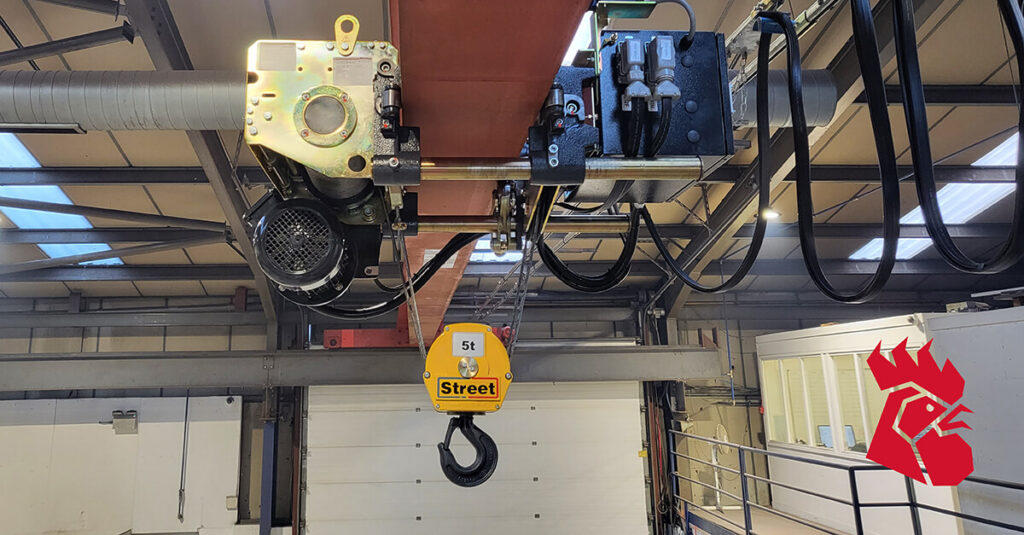
Identifying the optimal time for crane modernisation is crucial. Proactive upgrades can prevent costly breakdowns, minimise downtime, and ensure compliance with the latest regulations. Here are some key indicators that your overhead crane might be ready for a modernisation project:
- Unreliable Equipment & Frequent Downtime: Is your crane experiencing recurring, unexpected breakdowns? If your maintenance logs show a pattern of frequent repairs or prolonged outages, it’s a strong signal that critical components are nearing the end of their service life or are simply outdated.
- Obsolete or Hard-to-Source Parts: As cranes age, finding replacement parts for their original components can become increasingly difficult and expensive. This scarcity often leads to extended downtime while you wait for parts, or even the need for custom fabrication, further inflating costs.
- Post-Inspection Findings: Regular mandatory inspections are not just about compliance; they are also diagnostic opportunities. If your inspection reports highlight excessive wear, non-compliance with current safety regulations, or identify components that are nearing their operational limits, these are clear calls for modernisation.
- Changes in Production or Lifting Requirements: Has your business grown or diversified? Perhaps you now need to lift heavier loads, move items at faster speeds, or require more precise load positioning than your current crane can safely or efficiently manage. An outdated crane can severely limit your production capacity and efficiency.
- Desire for Improved Efficiency and Safety: Even if your crane isn’t constantly breaking down, you might still recognise the potential for significant improvements. If you aim to leverage cutting-edge technology, implement advanced safety features, reduce energy consumption, or simply enhance the overall operational characteristics of your lifting system, modernisation is the path forward.
- Increased Operating Costs: Beyond direct repair costs, older cranes often consume more energy, require more frequent preventative maintenance, and might even lead to slower production cycles, all contributing to higher overall operating expenses.
6 Reasons to Modernise Your Overhead Crane

Investing in crane modernisation isn’t just about fixing problems; it’s a strategic decision that delivers substantial returns, contributing to safer, more efficient, and ultimately, more profitable operations.
1. Extend the Service Life of Your Overhead Crane
Modernisation effectively postpones the need for a costly full crane replacement. By upgrading critical components such as the hoisting mechanism, electrical systems, and controls, you can significantly extend the operational lifespan of your existing crane structure, providing many more years of reliable service.
2. Create a Safer Workplace
Workplace safety is paramount, and industry regulations are continually evolving. Modernising your crane enables you to integrate the latest safety technologies, including advanced anti-collision systems, intelligent load limiting, precise braking controls, and enhanced emergency stop functionalities. These enhancements drastically reduce the risk of accidents, injuries, and damage to valuable assets.
3. Increased Productivity
Outdated cranes can be slow and cumbersome. Upgrades like the installation of variable speed drives (VFDs) offer smoother acceleration and deceleration, precise load positioning, and faster cycle times. Automation features can also streamline repetitive tasks, all contributing to a notable boost in overall productivity and output.
4. Better Reliability
Frequent breakdowns can cripple operations. Modernisation addresses this by replacing worn-out or obsolete components with new, robust, and reliable parts. Integrating remote monitoring and diagnostic systems further enhances reliability by allowing for proactive maintenance and identifying potential issues before they lead to unexpected downtime. The result is a more dependable crane that keeps your operations running smoothly.
5. Enhanced Energy Efficiency
Older cranes, with their outdated motor and control technologies, can be significant energy consumers. Modernisation presents an opportunity to replace inefficient components with energy-efficient alternatives, such as high-efficiency motors and VFDs. These upgrades can lead to substantial reductions in electricity consumption, resulting in lower operating costs and a smaller carbon footprint.
6. Reduced Maintenance Costs
The cost of maintaining an ageing crane can quickly escalate, particularly when dealing with hard-to-find or obsolete parts. By updating these components during modernisation, you reduce the frequency and severity of breakdowns. This translates directly into lower recurring maintenance expenses, fewer emergency call-outs, and a more predictable maintenance budget.
Types of Crane Modernisations
Crane modernisation is not a one-size-fits-all solution. It can be precisely tailored to address the specific needs of your equipment and operational goals, ranging from minor control upgrades to comprehensive mechanical overhauls.
Electrical and Control System Modernisations
These are often the most impactful upgrades in terms of performance and safety. They can involve:
- Variable Frequency Drives (VFDs): For precise speed control of hoisting, trolley, and bridge movements, reducing mechanical wear and enhancing load handling.
- Updated Control Panels: Replacing old, inefficient wiring and components with modern, more reliable systems.
- Radio Remote Controls: Offering operators greater flexibility, improved visibility, and enhanced safety by moving them away from the load.
Automation and Smart Features: Implementing systems for collision avoidance, sway control, overload protection, and even semi-automatic operations to improve efficiency and reduce human error.
Mechanical Modernisations
Focusing on the physical integrity and performance of the crane’s moving parts, mechanical modernisations can include:
- Hoisting Machinery Upgrades: Replacing old hoists, motors, gearboxes, and brakes with more efficient, higher-capacity, or faster units.
- Trolley and End Truck Replacements: Enhancing travel smoothness, reducing wear on the runway, and improving overall stability.
- Wheel Assemblies: Upgrading to newer materials or designs for better longevity and reduced maintenance.
Structural Reinforcement: In some cases, minor structural modifications may be necessary to support increased capacity or new components.
Safety System Modernisations
Beyond basic functional upgrades, dedicated safety system modernisations are crucial for protecting personnel and assets:
- Anti-Collision Systems: Using sensors to prevent cranes or trolleys from colliding with each other or with obstacles.
- Load Monitoring and Overload Protection: Ensuring the crane never lifts beyond its safe working limit, preventing structural damage and accidents.
- Advanced Limit Switches: Preventing over-travel of the hoist or trolley.
Emergency Stop Systems: Implementing modern, easily accessible emergency stop mechanisms that instantly cut power.
Get Support to Modernise Your Crane
Navigating the complexities of crane modernisation requires expert knowledge and experience. At Red Rooster Lifting, we offer comprehensive site services designed to bring your existing lifting equipment up to modern standards. From initial assessment and planning to seamless installation and commissioning, we provide tailored modernisation solutions. We can assist with capacity upgrades, control system enhancements, and sophisticated automation solutions, ensuring your lifting equipment operates effectively, safely, and efficiently for years to come, while minimising costly downtime and reducing operational risks.
For more information on how Red Rooster Lifting can help you unlock the full potential of your existing lifting equipment through expert crane modernisation services, contact us today.
Crane Modernisation FAQs
Do I need a whole new crane or can mine be modernised?
In many situations, your existing crane can indeed be modernised rather than requiring a complete replacement. Modernisation allows you to take advantage of cutting-edge crane features and advanced technology at a significantly lower cost than purchasing and installing an entirely new crane system. The decision often depends on the crane’s current condition, its structural integrity, and the extent of the desired performance improvements. Our experienced engineers can conduct a thorough assessment of your current equipment to determine the most feasible, cost-effective, and beneficial solution for your specific needs.
What parts of a crane can be modernised?
Virtually any component or system within a crane can be considered for modernisation, depending on the desired outcome. Common areas for upgrades and replacements include:
- Electrical and Control Systems: This encompasses updating control panels, integrating radio remote controls, installing variable frequency drives (VFDs) for precise motor control, and implementing advanced automation features.
- Mechanical Components: This can involve replacing or upgrading hoists, trolleys, end trucks, wheel assemblies, gearboxes, and braking systems to improve efficiency and reliability.
- Safety Features: Adding or enhancing crucial safety mechanisms such as overload protection systems, anti-collision devices, advanced limit switches, and emergency stop functionalities.
- Operator Cabs: Modernising the operator’s environment for improved ergonomics, better visibility, and enhanced comfort, which can significantly boost operator productivity and reduce fatigue.
Structural Elements: In some instances, minor structural modifications or reinforcements may be carried out to accommodate new components or increase the crane’s capacity, all while ensuring the crane’s long-term integrity.