

In the world of lifting and rigging, ensuring safety and precision is paramount. For decades, engineers and project managers have relied on traditional, wired load cells to measure force and weight. While effective, these systems often come with logistical challenges that can compromise efficiency and even safety.
Today, the wireless load cells offers an alternative in load measuring technology, providing enhanced flexibility, improved safety, and more sophisticated data management for a wide range of lifting applications.
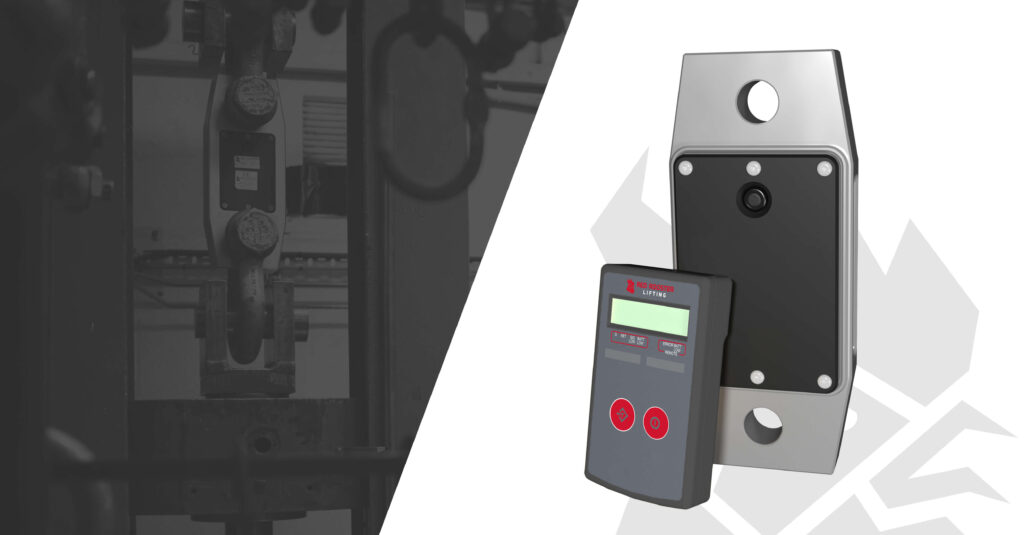
Advantages Over Traditional Wired Systems
Wireless load cells represent a significant leap forward from their wired counterparts. The most immediate and obvious advantage is the elimination of cables. Wired systems require long, cumbersome cables that are susceptible to damage, entanglement, and signal interference. These cables can become a trip hazard on a job site, create clutter, and limit the operational range of a lifting task. By removing them, wireless systems immediately create a safer, cleaner work environment.
Beyond safety, the wireless technology offers unparalleled flexibility. A crane operator can receive real-time load data on a handheld device from a distance, without needing to be tethered to the hoist or load. This is especially critical in complex or large-scale projects, such as offshore rigging or heavy lifts in confined spaces, where maintaining a safe distance is essential.
The Technology Behind Wireless Load Cells
The core of a wireless load cell is its ability to transmit data via radio frequency (RF) signals. These devices are equipped with a strain gauge, a small electronic component that measures deformation caused by force. As a load is applied, the strain gauge converts the mechanical force into an electrical signal. This signal is then processed by an internal circuit and transmitted wirelessly to a receiver, such as a handheld display, a laptop, or an integrated control system.
Modern wireless load cells are engineered for robust performance in challenging industrial environments. They typically feature:
- Long-range transmission: Capable of sending data over significant distances, even in environments with physical obstructions.
- Secure and reliable signals: Using encrypted communication to prevent interference and ensure data integrity.
- Long battery life: Designed for extended use in the field with minimal need for recharging.
- High accuracy: Delivering precise measurements that match or exceed the performance of traditional wired systems.

Many wireless systems also include advanced features like data logging, allowing for the recording of lift histories, and peak-hold functionality, which captures the maximum force applied during a lift.
Key Applications and Benefits of Wireless Load Cells
The applications for wireless load cells are as diverse as the lifting industry itself. They are particularly beneficial in scenarios where wired systems are impractical or pose a safety risk.
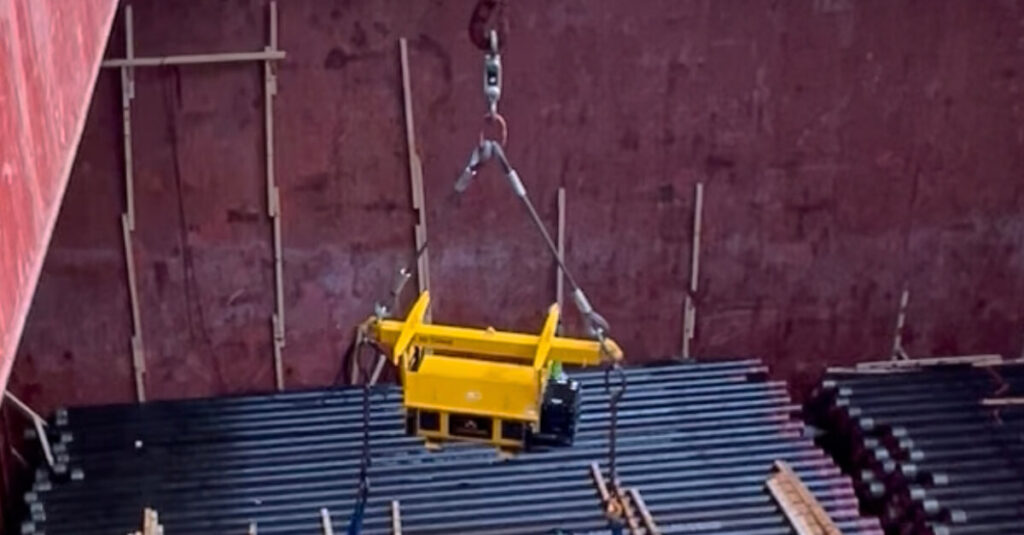
- Heavy Lifting Operations: For heavy lifts in construction, aerospace, or shipbuilding, multiple wireless load cells can be used simultaneously to monitor the load distribution across different lifting points. This ensures the load remains stable and balanced throughout the lift, preventing catastrophic failures.
- Crane and Hoist Monitoring: Wireless load cells can be permanently installed on cranes and hoists to provide real-time feedback on the load, preventing overloads and ensuring safe operation. The data can be integrated directly into the crane’s control system for automated safety cut-offs.
- Offshore and Marine Environments: In dynamic marine settings, the absence of cables makes wireless systems ideal. They can be used on offshore platforms, for subsea installations, or in salvage operations where traditional wires would be vulnerable to the harsh elements and currents.
- Testing and Certification: For product testing and proof-loading, wireless load cells provide clean, accurate data without the hassle of cables, making the process more efficient and reliable.
The benefits are clear: increased safety by removing trip hazards and enabling remote monitoring, greater operational flexibility in challenging environments, and the ability to capture valuable data for analysis and record-keeping.
Red Rooster Lifting: Your Partner in Wireless Technology
At Red Rooster Lifting, we understand that innovation is key to improving safety and efficiency. We are proud to offer a range of wireless load cells that provide the accuracy and reliability you expect, with the added benefits of modern technology. Our solutions are designed to integrate seamlessly into your existing operations, empowering your team with the data and flexibility they need to execute every lift with confidence.
By choosing our wireless load cell solutions, you’re not just buying a product; you’re investing in a smarter, safer, and more efficient way to lift. Explore our range of products and contact us to find out how we can help you enhance your lifting operations today.