

Selecting the optimal crane for a complex lifting project is a critical decision that impacts safety, efficiency, and budget. For engineers and project managers, this choice requires a deep understanding of the project’s unique specifications, from load capacity to site constraints and environmental factors.
In this blog, we’ll guide you through this essential decision-making process, ensuring you select the precise equipment for peak performance.
Types of Cranes and Their Applications

Understanding the core functions and distinctions between common crane types is the first step toward optimisation.
Single Girder or Double Girder
- Single Girder: Generally more cost-effective and lighter in comparison to a double girder.. They offer excellent headroom.
- Double Girder: Ideal for heavier loads and longer spans. They provide greater lifting height because the hoist is top running (mounted on top of the girders),
Overhead Cranes
Also known as bridge cranes, these are permanent installations that run along runways mounted to the building’s support structure or a freestanding structure. They are highly efficient for moving loads linearly within a fixed rectangular area.
- Underslung Cranes: A type of overhead crane where the end trucks ride on the bottom flange of the runway beam. Underslung cranes are often used when the building structure doesn’t allow for top-running runways and are excellent for maximising hook height in areas where headroom is restricted..
Goliath Cranes
Unlike overhead cranes, gantry cranes are supported by legs that run on a floor-level track or wheels. This makes them highly versatile for outdoor use or in facilities where permanent installation to the building structure is impractical. They come in various forms, including portable models.
Jib Cranes
These cranes feature a horizontal beam (the jib or boom) supported by a fixed or portable vertical mast. Jib cranes provide circular area coverage and are perfect for localised lifting tasks, such as feeding machinery or assembly stations.
Light Crane Systems
Modular and highly adaptable, light crane systems (like monorails or small bridge systems) are designed for lighter loads up to 2 tonne and precise positioning, making them ideal for repetitive tasks in assembly lines or workshops.
Crane Size – and Why It Matters

“Size” refers to the crane’s physical dimensions and its operational capacity, directly influencing its ability to handle the required task safely and effectively.
Factors That Affect What Size Crane You Need
- Maximum Load Weight: The heaviest item to be lifted determines the minimum required capacity.
- Span and Travel Distance: The distance the crane must cover (horizontally) dictates the required girder length and runway size.
- Lift Height (Hook Height): The distance from the floor to the highest point the load needs to reach.
- Duty Cycle/Classification: How frequently the crane will be used and the intensity of its work (e.g., occasional maintenance vs. continuous production) impacts the necessary structural and component robustness.
How to Calculate the Right Crane Size
Determining the correct size involves a precise assessment of the maximum working load limit (WLL) and ensuring the crane’s dimensions align with the facility’s geometry. Engineers must calculate the maximum reaction forces on the supporting structure and confirm the required hook height can be achieved within the available headroom. Over-specifying is costly; under-specifying is dangerous.
Crane Criteria: Key Factors to Consider When Choosing a Crane
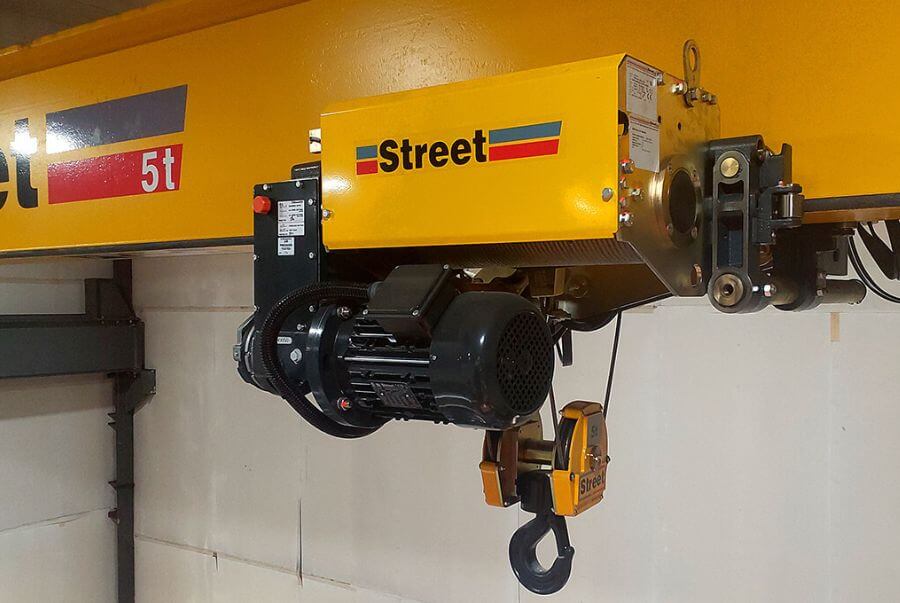
Optimal crane selection hinges on evaluating several project-specific technical factors.
Load Weight
Always select a crane with a rated capacity that exceeds the maximum expected load weight to incorporate a safety margin. Also consider the dynamic characteristics of the load—will it shift, swing, or require fine motor control?
Height of the Lift
This is crucial. The required hook height dictates the choice between top-running and underslung overhead cranes, or whether a gantry or jib crane is more appropriate, especially in buildings with height restrictions.
Performance
Performance relates to the required operating speed (lifting, travelling, traversing) and the Duty Classification (e.g., ISO classes). A crane operating continuously in a manufacturing plant requires a higher duty rating than one used only for occasional maintenance lifts. Higher duty cycles require more durable components like motors, brakes, and wire rope.
Is there an existing structure?
When selecting an overhead crane, the integrity and layout of the existing building columns must be evaluated to ensure they can support the runway system and the crane’s maximum dynamic load. If the building cannot support it, a free-standing gantry crane becomes the superior solution.
Environmental Conditions
- Indoor: Cranes require protection from dust, humidity, and temperature extremes. Components may need specific IP ratings (Ingress Protection) for dusty or damp environments.
- Outdoor: Cranes require weather-proofing, special coatings for corrosion resistance, and sometimes specific wind-load calculations and storm-parking mechanisms. Gantry cranes are often the preferred outdoor solution.
Partner with Red Rooster Lifting for Your Next Project
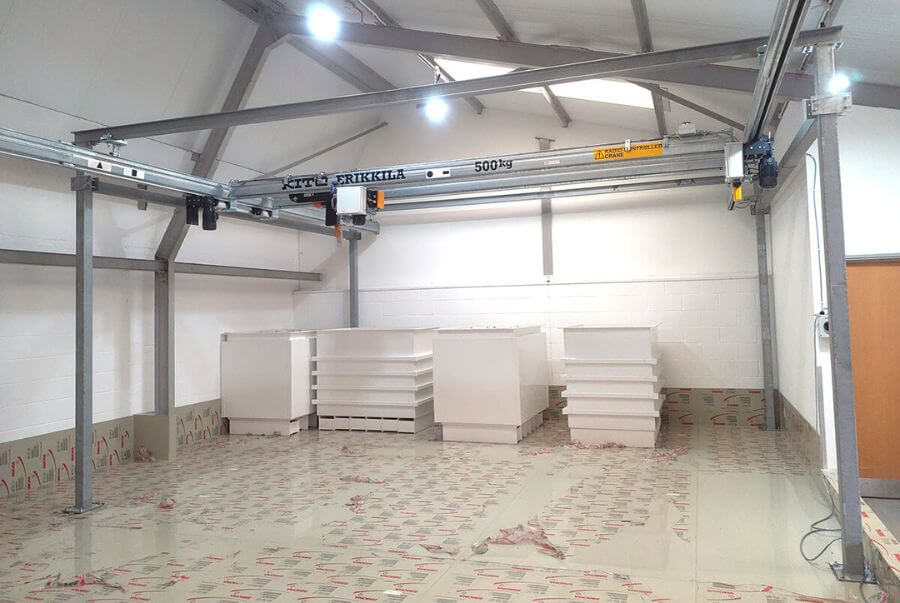
At Red Rooster Lifting, we know that choosing the right lifting solution is a precise science, not a matter of guesswork. By meticulously considering these factors, from the basic crane type to the required duty cycle and environmental conditions, you ensure your project benefits from maximum efficiency and safety.
If you’re looking to see how we’ve helped previous clients, read our ‘10 tonne underslung overhead crane’ case study. During this project we helped our client solve a unique challenge for their new coil tubing workshop.
Don’t risk your complex lifting project on guesswork. Contact your lifting team today for a comprehensive, no-obligation consultation on your specific capacity, site, and environmental requirements.