

Air hoists are critical pieces of machinery—workhorses essential for safe and efficient operations across countless industries. From a small workshop to a large factory, it represents a significant investment that you rely on daily.
To protect this investment and, more importantly, to ensure the safety of your team, regular maintenance is not just a recommendation—it’s a necessity. In this article, we’ll cover why you should maintain your air hoist and our top tips on how to do so.
Why it’s important to maintain your Air Hoist
UK & European Law requires that a thorough examination of the hoist should be carried out by a competent person:
- Before being put into service.
- At a frequency not exceeding 12 months (6 months for equipment used offshore).
- After being put into service at a new site.
- After involvement in an accident or dangerous occurrence.
- After a significant change in the conditions of use.
- After long periods out of use.
Neglecting maintenance can lead to unexpected failures, resulting in costly downtime, emergency repair bills, and even damage to valuable goods.
Proactive maintenance is the only way to prevent these issues, ensuring your air hoist performs at its peak, remains compliant with safety standards, and provides a long, reliable service life.
Our Top 5 Air Hoist Maintenance Tips
1. Pre-Use Inspections
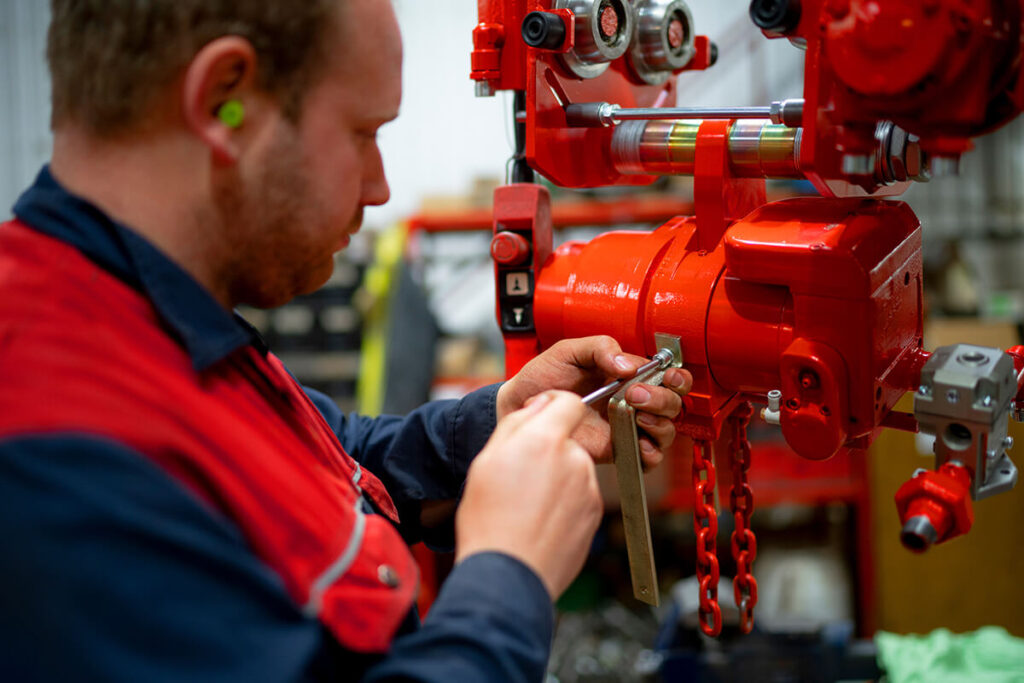
A pre-shift inspection is your first and most crucial line of defence against accidents. Train every operator to perform a quick, visual check of the hoist before each use. They should be looking for these key signs:
- Hook and Latch: Carefully inspect the hook for any signs of distortion, bending, or a widened throat opening. The safety latch should spring back freely and securely close the opening of the hook.
- Load Chain: Visually look for any nicks, burrs, or twisted links. Check for signs of stretching, which may indicate overloading. The chain should hang straight and sit correctly within the pocket wheel without binding.
- Air Hose and Connections: Check the air supply hose for any cuts, punctures, or signs of wear. Listen for any leaks around fittings and connections, which can indicate a loss of power and efficiency.
- Controls: Test the hoist’s up/down controls and emergency stop button. The movement should be smooth and consistent, and the emergency stop should instantly halt all motion.
2. Scheduled Maintenance
A pre-use check is for immediate safety; scheduled maintenance is for long-term health. Follow the manufacturer’s guidelines for regular service intervals. A qualified engineer will go beyond the visual checks to perform a comprehensive service, which may involve:
- Disassembly and Cleaning: Full strip down of the complete unit to clean out any old grease, dirt, or debris.
- Component Inspection: Thoroughly examining internal parts for wear and tear, such as gearing, load wheel, motor section, brake section, and control valve section, which are all internal components.
- Re-Build & Lubrication: Carefully reassemble the major components above, applying fresh, high-quality lubricant to all mechanical parts to reduce friction and protect against corrosion.
- Detailed Reporting: Providing a written service report that outlines the condition of the hoist, any work performed, and recommendations for future maintenance.
3. Lubrication and Chain Care
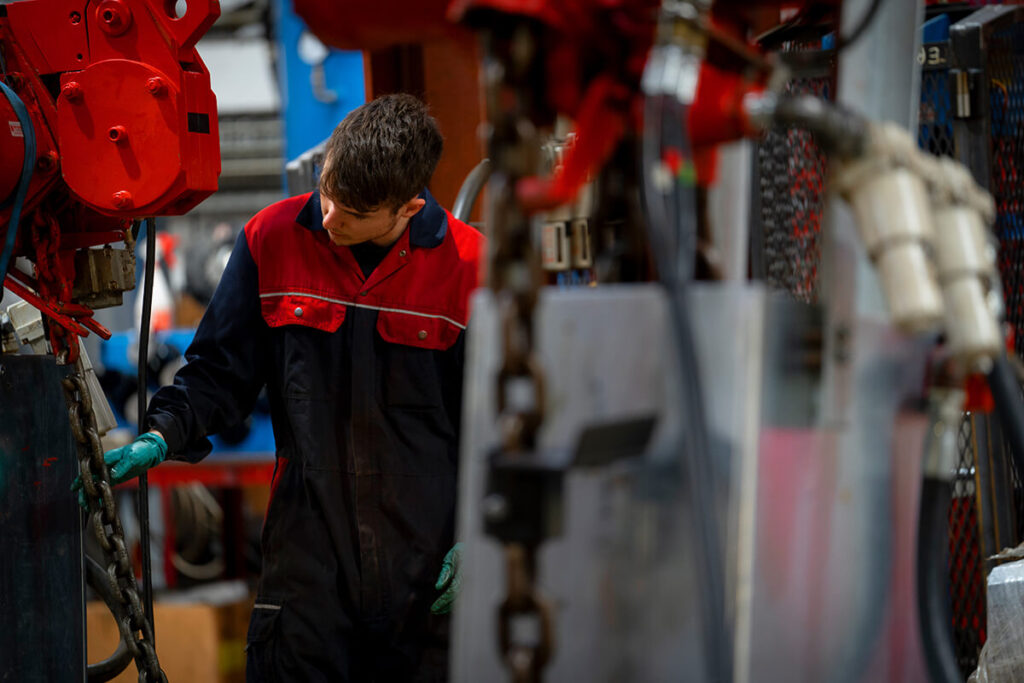
Proper lubrication is vital to the operation of your air hoist, essential for the efficient and safe operation of its internal components. It not only reduces friction but also protects against corrosion, which is a major factor in component wear. When lubricating, always use the specific lubricant recommended by the manufacturer.
Before applying lubricant to the chain, ensure it is clean and free of dirt, grit, or metal filings, as these can accelerate wear. A hoist chain should never be sticky or tacky. Using the wrong type of lubricant can affect the free movement of major components.
4. Mechanical System Checks
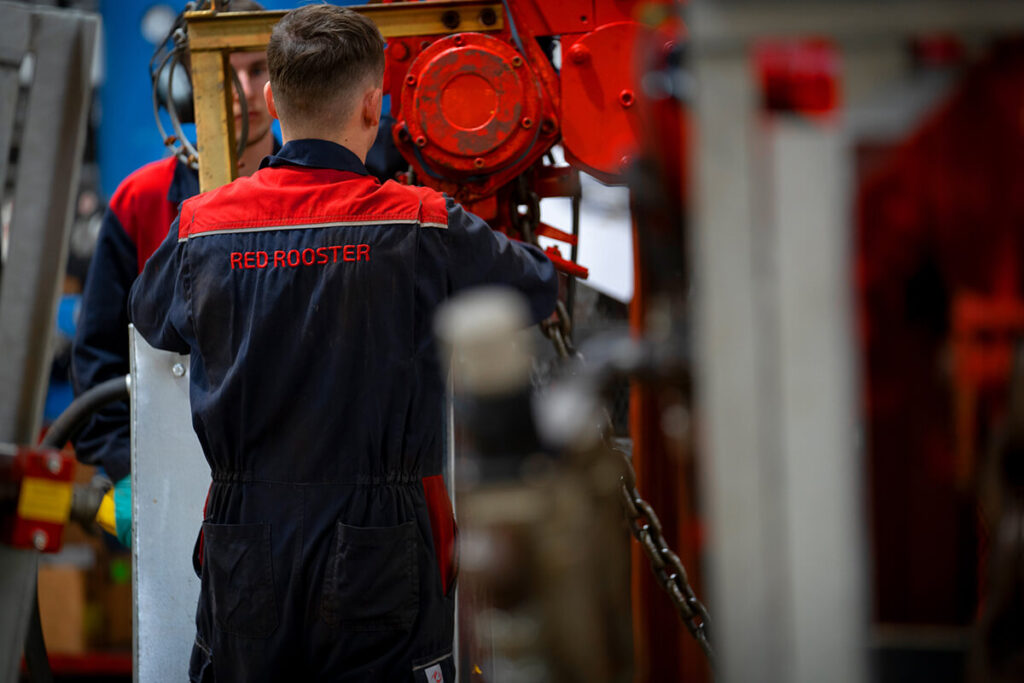
A hoist’s mechanical systems are designed for reliability, but they are subject to immense stress. Regular examinations by a qualified engineer are vital to prevent catastrophic failure.
- Brake System: The brake is a critical safety component. Engineers will inspect the brake disc for wear and damage and also measure its thickness to ensure it meets the manufacturer’s recommended standards, a crucial step in preventing dangerous occurrences. Once fully reassembled, the unit is load tested to ensure it holds the load securely and engages smoothly.
- Gears and Bearings: Grinding or rattling can indicate worn gears or bearings. A professional check can identify signs of pitting or uneven wear patterns, allowing for replacement before a complete breakdown occurs.
- Motor: Ensuring the air motor is in good condition is key to maintaining the hoist’s lifting capacity and speed. This check includes verifying that all motor components are satisfactory, such as vanes that do not disintegrate and bearings that do not show signs of wear.
5. Training and Documentation
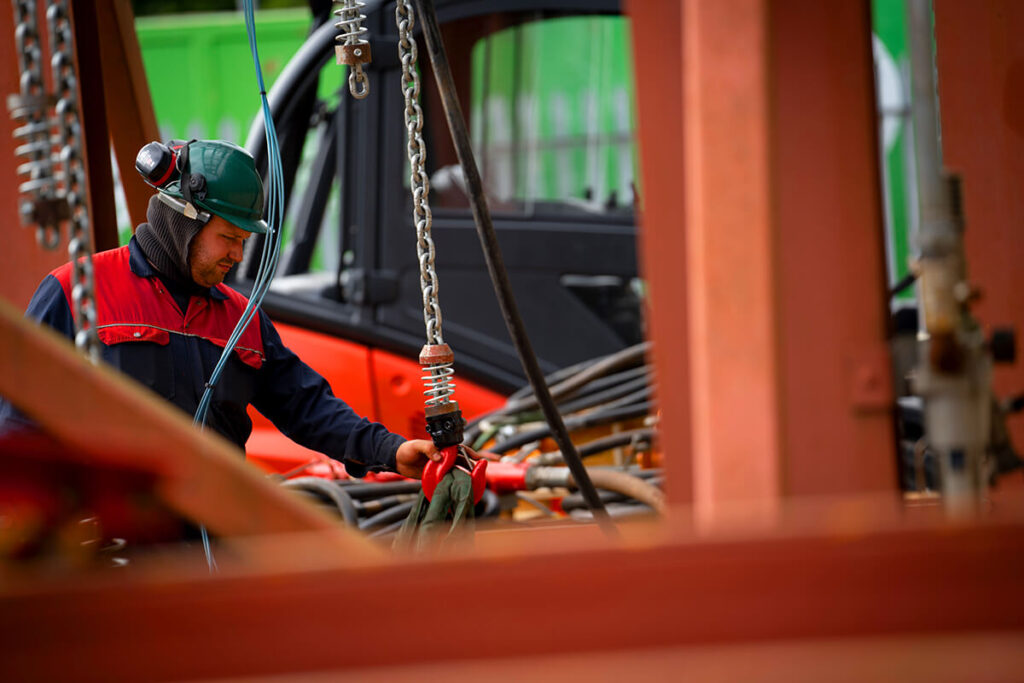
The most effective maintenance strategy starts with the people who operate the equipment. Comprehensive training should cover not only operational safety but also load capacity awareness and an understanding of the hoist’s limits.
You should also try to keep a detailed maintenance log for each hoist, found in the maintenance manual. A good record provides a clear history of the hoist’s health, which is essential for audits, insurance purposes, and for identifying any recurring issues that may need addressing.
Get Your Air Hoists Maintained by the Professionals
While following these tips will certainly extend the life of your equipment, the most effective way to ensure safety and longevity is through professional service.
At Red Rooster Lifting, our skilled and certified engineers can provide thorough inspections, routine maintenance, and expert repairs, giving you the confidence that your hoists are safe, reliable, and performing to their highest potential. We recommend that hoists be returned every five years for a full inspection. Wherever precision lifting is required, we’re there – providing dependable solutions backed by a responsive, knowledgeable team with decades of expertise. Contact us today to schedule your next service.