

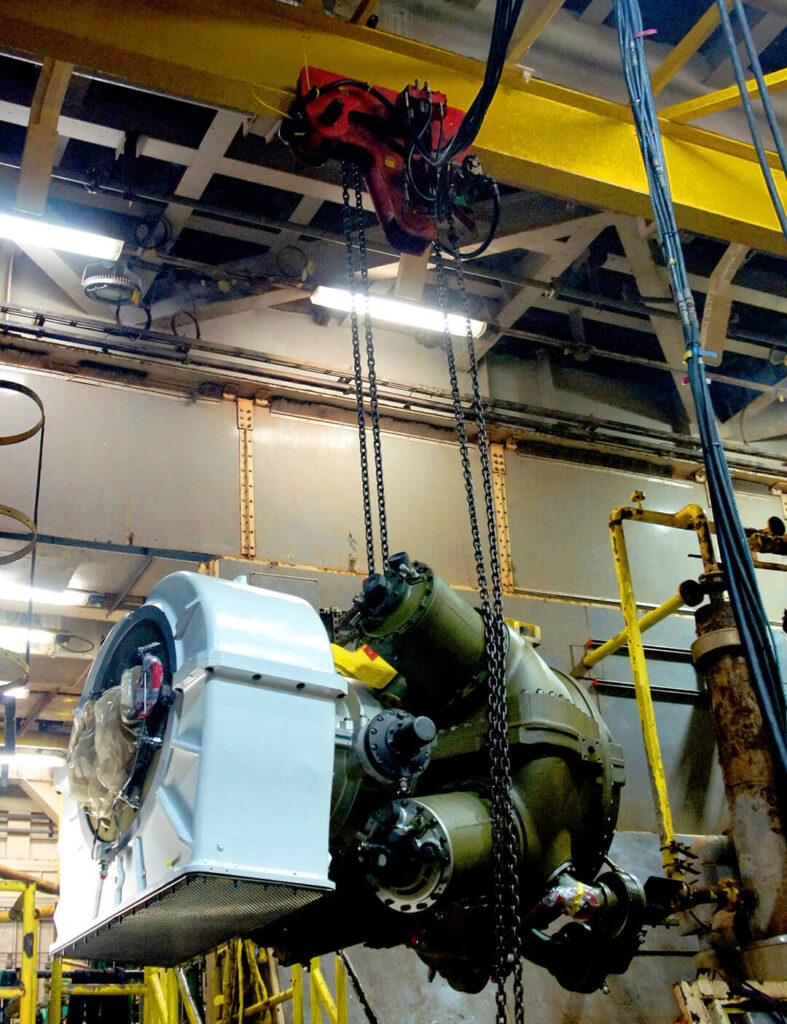
Not every offshore lifting challenge is defined by load alone. In many projects, the true constraint is space, or more specifically, the lack of headroom available to complete the work safely and effectively.
That is what makes low headroom and ultra low headroom air hoist and trolleys so important in offshore maintenance. Where conventional lifting arrangements are limited by structure, deck layout or access restrictions, the correct low headroom solution can make the difference between a project progressing or coming to a halt.
For offshore teams working in restricted access conditions, the right lifting solution needs to combine dependable performance with practical support, helping critical work move forward safely and efficiently in demanding environments.
Why headroom matters offshore
Offshore maintenance is full of constrained lifting environments. Equipment may need to be removed from below steelwork, under decks, around existing structures or inside areas where access is tight and clearance is limited. In these situations, standard lifting arrangements may not provide enough usable lift height to complete the movement safely.
This is where low headroom hoists and trolleys add real value. By reducing the space required, they help operators utilise available headroom and make work possible where conventional setups fall short. That gives offshore teams a practical way to carry out critical work safely in restricted environments.
Restricted access projects demand more careful equipment selection
In restricted offshore access projects, equipment selection cannot be driven by capacity alone. The lifting arrangement also has to suit the available space, the route of movement, the operating environment and the wider constraints of the task.
That is especially important when the work involves critical asset replacement. Gas turbine change-outs, for example, often take place within highly constrained areas where large components must be removed and installed with limited room for error. In those conditions, the lifting solution must deliver both the required capacity and the headroom efficiency needed to make the task achievable.
A practical example of low headroom support
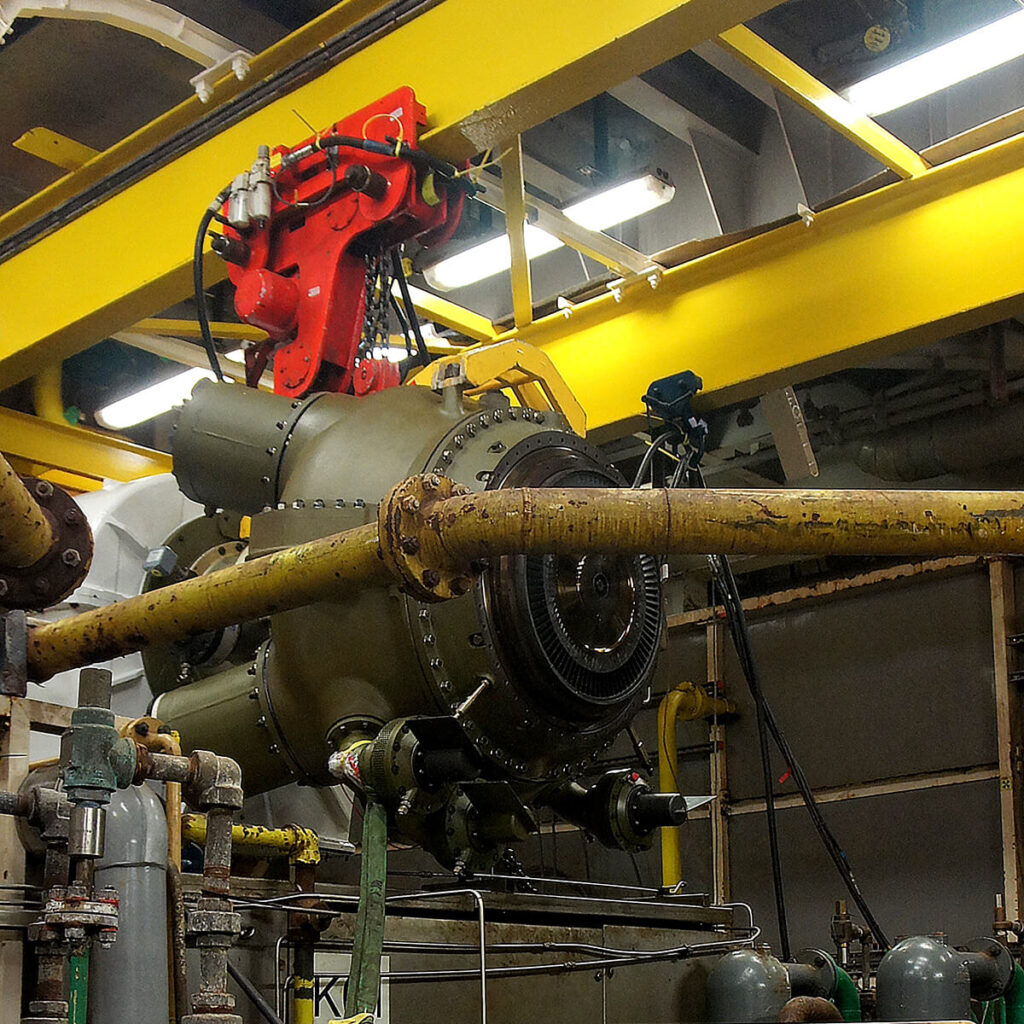
We supported an offshore gas turbine replacement project where a low headroom rental solution was needed to restore progress after an existing gantry crane cradle was condemned, bringing the planned work to a halt. To help the customer move forward, a 6-tonne low headroom air hoist and trolley was supplied on a short-term rental basis to support the turbine change-out in a restricted lifting environment.
The low headroom design provided the required lifting capability while maximising the available lift height within the working area, and the pneumatic system delivered dependable performance suited to the offshore environment. The rental solution enabled the planned turbine replacement to be completed successfully without unnecessary delay.
Following the rental period, the customer went on to purchase the lifting solution as a permanent replacement, giving the platform continued lifting capability for future maintenance work.
Read the full case study here.
The rental equipment did more than bridge a short-term maintenance window — it solved an immediate lifting challenge, supported safe lifting in a restricted offshore environment, and delivered longer-term value beyond the original project.
Why low headroom rental support can be commercially valuable
One of the strongest benefits of rental in restricted access work is flexibility. When an existing arrangement is no longer fit for purpose, rental can restore continuity without forcing unnecessary changes to the wider workscope.
In some cases, as this example shows, the rental solution also provides a practical route to evaluating a longer-term replacement under live project conditions.
That combination is especially valuable offshore. It helps operators keep maintenance programmes moving while making decisions based on proven performance rather than assumption.
What to assess in low headroom lifting projects
When planning lifting work in restricted offshore environments, several questions matter early:
- how much usable headroom is actually available?
- what route does the load need to take?
- what structural or access constraints affect the lift?
- is the existing lifting arrangement still fit for purpose?
- does the solution need to support temporary continuity, or could it become a longer-term replacement?
These are the questions that help distinguish specialist lifting support from general equipment supply.
Final thought
Low headroom hoists and trolleys are not just another variation of lifting equipment. In restricted offshore access projects, they are often the factor that makes the work achievable.
Where lift height is limited, access is difficult and existing arrangements are no longer viable, a carefully selected low headroom rental solution can restore progress, support safe maintenance execution and create a pathway to a permanent improvement.
For offshore teams operating in these conditions, the right support is not simply about finding equipment. It is about working with a trusted partner who understands the challenge and provides lifting solutions built for the demands of the project, with the clarity, reliability and technical confidence that customers expect from Red Rooster Lifting.