

Accurate load measurement is crucial for safety, efficiency, and operational success across countless industries.
From the precision required in manufacturing to the forces at play in construction, logistics, and marine operations, reliable data on the forces being exerted is paramount.
In this comprehensive guide, we will walk you through everything you need to know about load cells. From their fundamental principles to advanced best practices for their integration and use, ensuring you make informed decisions for your lifting and weighing needs.
What Are Load Cells?
A Load Cell is a highly specialised transducer that converts a mechanical force into a measurable electrical signal.
This signal is then typically measured, amplified, and converted into a digital reading by an indicator or data acquisition system, providing a precise and objective measurement of the applied load.
The underlying principle for most modern load cells revolves around strain gauges. These are tiny, highly sensitive electrical resistors bonded meticulously to a specially designed metal element, often made from high-grade alloy steel or aluminium. When a force is applied to this metal element, it undergoes a minute, elastic deformation. This deformation causes the bonded strain gauges to stretch or compress, which in turn changes their electrical resistance.
This change in resistance is incredibly small, so multiple strain gauges are typically arranged in a Wheatstone bridge circuit. This configuration allows for the detection of even the most subtle changes in resistance, amplifying the signal and providing a stable, accurate output (usually in millivolts per volt, mV/V). The electrical signal produced by the load cell is directly proportional to the applied force, allowing for extremely accurate, repeatable, and reliable measurements of weight or force.
Load Cell Types
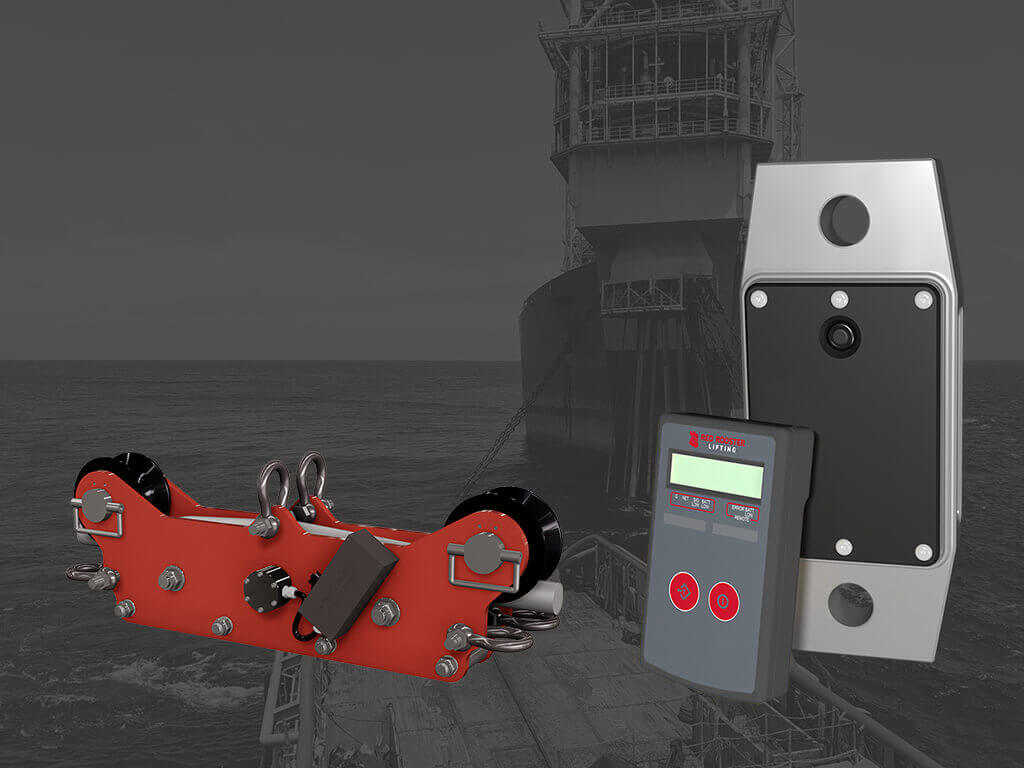
The world of load cells is remarkably diverse, with various types engineered to excel in specific applications and environments. Understanding these differences is key to selecting the right tool for the job.
Compression Load Cells
These robust load cells are specifically designed to measure forces that push down on them. Their sturdy construction makes them ideal for static or slow-changing load applications where a load is applied directly to their top surface.
Common Applications:
Industrial platform scales, tank and silo weighing systems, press force measurement, material testing (compression tests), truck scales, and overload protection in various machinery.
Key Features:
Often low profile, high capacity, and built to withstand significant forces, many compression load cells feature self-aligning designs to ensure proper load distribution.
Tension Load Cells
Conversely, tension load cells are meticulously engineered to measure pulling or tensile forces. They are typically designed as a link for easy inline integration into lifting or pulling systems.
Common Applications:
Suspended weighing (e.g., in hoists or cranes), material tensile strength testing, cable and wire rope tension monitoring, industrial hoist and crane overload systems, and force measurement in rigging setups.
Key Features:
Designed for direct inline force measurement, often with shackle compatibility.
Crane Scales
Crane scales are self-contained, highly convenient weighing devices that integrate a load cell directly into a robust housing, often featuring a large, easy-to-read display. They are designed to be suspended directly from a crane hook or other lifting equipment.
Common Applications:
Real-time weighing of loads during lifting operations in warehouses, shipping yards, manufacturing facilities, offshore and subsea.. Essential for ensuring lifted loads do not exceed safe working limits.
Key Features:
Portability, integrated display (analogue, LED or LCD), and heavy-duty construction.
Running Line Monitor (RLM)
A Running Line Monitor (RLM), also known as a line tension meter, is a specialised load cell system designed to continuously measure the tension in a moving rope, cable, or wire. These devices are critical for operations where maintaining specific line tension is vital for safety and operational efficiency.
Common Applications:
Winching operations, offshore oil and gas (e.g., mooring lines, subsea umbilical deployment), towing, deep-sea exploration, anchor handling, and cable laying.
Key Features:
Typically features multiple sheaves or rollers to guide the line, robust construction to withstand harsh marine environments, and real-time data output.
Universal Load Cells
As their name suggests, universal load cells are remarkably versatile and capable of accurately measuring both tension and compression forces.
This bidirectional capability makes them highly adaptable for a wide range of testing and measurement applications where the direction of the applied force might vary or cycle.
Common Applications:
Material testing machines, force calibration stands, inline force monitoring in production lines, and general-purpose laboratory use where flexibility is key.
Key Features:
Bidirectional measurement, compact design, often supplied with accessories for both tension (e.g., eye ends) and compression (e.g., load buttons).
Shear Beam Load Cells
These load cells are often characterised by their rectangular, beam-like shape. They are designed to measure the shear stress (the internal force parallel to the cross-section of the beam) created by an applied load. They are highly resistant to side loads, making them very stable.
Common Applications:
Platform scales, tank and hopper weighing systems (often in sets of three or four), conveyor scales, and other multi-point weighing applications.
Key Features:
Low profile, high accuracy, excellent resistance to eccentric loading, and typically made from robust materials.
Bending Beam Load Cells
Similar in principle to shear beam load cells, bending beam load cells measure the bending stress caused by a load applied perpendicular to the beam. They are generally smaller in capacity than shear beams and are very common in lighter industrial and commercial weighing applications.
Common Applications:
Small to medium platform scales, bagging machines, checkweighers, packaging machinery, and other applications requiring precise force measurement at a single point.
Key Features:
Compact size, good accuracy for lower capacities, easy to mount, and cost-effective.
Selecting The Correct Load Cell

Choosing the right load cell is vital to achieving accurate, reliable, and safe results. The wrong solution here can lead to costly errors, operational inefficiencies, or even dangerous situations.
Here are the critical factors to consider:
Capacity and Range
This is the most fundamental consideration. You must select a load cell with a maximum capacity that comfortably exceeds the absolute maximum load you anticipate measuring, including any potential overloads or shock loads.
It is recommended to choose a load cell with a capacity of 120-150% of your maximum expected load to provide a safety margin and prevent premature failure.
Equally important is considering the lower end of the measurement range; making sure the load cell can accurately detect and provide a stable reading for the minimum loads you expect to encounter. Using a load cell that is significantly oversized for the typical loads can lead to poor resolution and accuracy at the lower end of its range.
Accuracy and Precision
Accuracy:
Refers to how close the measured value is to the true value. It’s often expressed as a percentage of the full-scale output (FSO). For example, a load cell with 0.03% FSO accuracy on a 10,000 kg capacity means a potential error of ±3 kg.
Precision (Repeatability):
Refers to the ability of the load cell to produce the same output reading for the same applied load under identical conditions.
Linearity:
How well the output signal follows a straight line proportional to the applied load over the entire measurement range.
Hysteresis:
The difference in output when the same load is applied, first by increasing the load from zero, and then by decreasing the load from maximum capacity.
Your application’s specific requirements will dictate the necessary level of accuracy. For critical weighing in legal-for-trade applications, extremely high accuracy is needed, while a less precise unit might suffice for basic overload detection.
If you’re not sure which load cell you need for your specific situation, get in touch with the lifting experts at Red Rooster Lifting today. We’d be more than happy to discuss your project parameters and guide on which would be the best load cell.
Environmental Conditions
Load cells are electromechanical devices sensitive to their surroundings. Ignoring environmental factors can severely compromise performance and lifespan.
Here are some of the key aspects you need to take into account.
Temperature:
Temperature fluctuations can cause thermal expansion/contraction of the load cell body and affect the electrical properties of the strain gauges, leading to drift. Ensure the load cell has adequate temperature compensation (specified by its compensated temperature range).
Humidity/Moisture:
High humidity and direct water exposure can lead to corrosion and electrical shorts. Check the load cell’s IP (Ingress Protection) rating. An IP67 rating indicates protection against temporary immersion, while IP68 signifies continuous immersion, crucial for marine or washdown environments.
Corrosive Substances:
Chemicals, salts, and certain gases can degrade the load cell’s material and sealing. Stainless steel construction and specific protective coatings are essential in such environments.
Vibration and Shock:
Constant vibration or sudden shock loads can affect stability and potentially damage the load cell. Consider anti-vibration mounts or load cells designed for dynamic applications.
Explosive Atmospheres:
For hazardous areas (e.g., oil and gas, chemical plants), intrinsically safe or explosion-proof load cells are mandatory, compliant with ATEX or IECEx standards.
Material and Construction
The material of the load cell’s body is crucial for its durability and suitability.
Alloy Steel:
Common for general industrial applications, offering good strength and cost-effectiveness. Often nickel-plated for corrosion resistance.
Stainless Steel:
Superior corrosion resistance, essential for harsh, wet, or hygienic environments (e.g., food processing, marine, chemical and subsea).
Aluminum:
Lighter in comparison to steel bodied load cells.
Consider also the quality of the sealing, and cable entry points, as these contribute significantly to the load cell’s overall robustness and IP rating.
Mounting and Integration
The physical installation significantly impacts performance.
Loading Direction:
Ensure the load is applied precisely as the load cell is designed for (axial compression, axial tension, shear, bending). Off-axis loading or side forces can introduce significant errors and lead to premature failure.
Mounting Hardware:
Use recommended mounting accessories such as load buttons, rod ends, spherical bearings, or specialized mounting kits (e.g., for tank weighing). These ensure proper load introduction and compensate for minor misalignments.
Foundation:
The mounting surface or structure must be rigid, flat, and capable of handling the maximum expected loads without deflection, which could distort the load cell’s output.
Cable Protection:
Load cell cables are delicate. Ensure they are protected from crushing, abrasion, excessive bending, and electrical interference. Use conduit where necessary.
Output Signal Type
Load cells typically provide a low-level analogue output signal, usually in millivolts (mV) per volt of excitation voltage (mV/V). This raw signal needs to be processed.
Analogue (mV/V):
The most common output. Requires an external amplifier or indicator to convert it into a usable signal.
Amplified Analogue (e.g., 0-10V, 4-20mA):
Some load cells have integrated amplifiers, providing a higher-level analogue signal that is less susceptible to noise over long distances.
Digital (e.g., RS-232, RS-485, CANbus, Ethernet/IP, Profibus):
Load cells with integrated electronics can provide a direct digital output, simplifying integration with PLCs and control systems, and often offering better noise immunity.
Wireless:
For applications where cables are impractical or undesirable, wireless load cells transmit data to a receiver, offering greater flexibility.
Consider the capabilities of your existing control system or data acquisition hardware when choosing the output type. If using multiple wireless load cells, you must ensure that they are using different channels to prevent interference between load cell outputs.
Best Practices for Accurate Load Measuring
Beyond selecting the correct load cell, adhering to best practices in installation, operation, and maintenance is paramount in accurate and reliable load measuring.
Calibration is Key:
This cannot be stressed enough. Load cells drift or error over time due to various factors. Regular calibration by certified machines, using traceable standards, is essential in making sure your measurements are accurate and comply with industry standards. The frequency of calibration depends on the application’s criticality, usage intensity, and environmental conditions.
Proper Installation:
Always meticulously follow the manufacturer’s installation guidelines. This includes ensuring surfaces are level, bolts are torqued correctly, and proper alignment is maintained. Avoid any eccentric loading, side loads, or bending moments that can introduce errors or even damage the load cell. Use genuine mounting accessories to facilitate correct load application.
Environmental Control:
While you select load cells for their environment, active management helps. Minimise rapid temperature changes around the load cell. Protect cables and connections from physical damage, moisture, and electromagnetic interference (EMI) by routing them away from power lines and motors.
Pre-Loading and Settling:
For new installations or after significant changes, it’s often beneficial to “pre-load” the system a few times to its maximum capacity. This helps the load cell and its mounting components settle, improving measurement stability.
Zeroing and Tare:
Regularly zero your load cell system before taking measurements, especially if temperature or environmental conditions have changed, or after removing a previous load. Use the “tare” function to account for the weight of containers, slings, or other non-load components.
Overload Protection:
Implement robust mechanical stops or electronic limit switches to prevent the load cell from being subjected to forces beyond its rated capacity. Even momentary overloads can cause permanent damage or compromise accuracy.
Regular Inspections:
Periodically inspect load cells, mounting hardware, and all associated wiring for any signs of wear, damage, corrosion, or loose connections. A proactive maintenance schedule can prevent costly downtime and ensure continued accuracy.
Documentation:
Keep detailed records of load cell serial numbers, calibration certificates, installation dates, and any maintenance performed. This is crucial for traceability and troubleshooting.
Integrating Load Cells Into Your Systems
Seamless integration is key to leveraging the full potential of your load cell data. This involves considering hardware, software, and compliance aspects.
System architecture considerations
Integrating load cells goes beyond just connecting a wire. It’s about building a robust data chain:
Signal Conditioning:
The raw millivolt output of a load cell is typically very low and susceptible to noise. A dedicated load cell amplifier or signal conditioner is often required to boost this signal to a higher, more stable voltage or current. These devices often include filtering to remove noise and can perform scaling and calibration.
Data Acquisition System (DAQ):
This could be a dedicated load cell indicator/display unit, a Programmable Logic Controller (PLC) with an analogue input module, a PC-based data acquisition card, or a remote telemetry unit (RTU). The DAQ system reads the conditioned signal, converts it to digital data, and presents it in engineering units (kg, lbs, kN, etc.).
Power Supply:
Ensure a stable and clean power supply for the load cell and its associated electronics. Voltage fluctuations can affect load cell output.
Redundancy:
For critical applications, consider redundant load cells or backup systems to ensure continuous operation and data integrity in case of a component failure.
Software and Data Analysis
The raw numbers from a load cell are just the beginning. Software transforms this data into actionable insights:
Display and Visualisation:
User-friendly software is essential for displaying real-time load readings on indicators, HMI panels, or computer screens. Graphical displays can provide an understanding of load trends.
Data Logging and Archiving:
The ability to log load data over time is invaluable for performance analysis, troubleshooting, compliance reporting, and predictive maintenance. This data can be stored locally, on network drives, or in cloud-based systems.
Alarming and Alerts:
Implement configurable alarm setpoints to trigger warnings (audible, visual, email, SMS) when loads approach or exceed predefined limits, preventing overloads or unsafe conditions.
Process Control Integration:
In automated systems, load cell data can directly feed into PLCs or industrial control systems to automate processes based on weight (e.g., batching, filling, material flow control).
Statistical Process Control (SPC):
For manufacturing and quality control, analysing load data statistically can help identify process variations, optimise production, and ensure product consistency.
Calibration Management:
Software can assist in tracking calibration schedules, storing calibration records, and even facilitating on-site calibration procedures.
Safety Standards and Compliance
Safety is paramount in any lifting or weighing operation. Load cell systems must comply with relevant industry standards and regulations:
Overload Protection:
Beyond physical stops, integrate electronic overload cut-offs that disable lifting operations or trigger alarms when a pre-set limit is reached.
Emergency Stop Systems:
Ensure load cell systems are integrated with emergency stop circuits of the machinery they monitor.
Regular Inspections and Certifications:
Adhere to legal requirements for periodic inspections of lifting equipment and weighing systems. Many regions require specific certifications for commercial weighing devices (“Legal for Trade”).
Risk Assessments:
Conduct thorough risk assessments for any new or modified load cell installation to identify and mitigate potential hazards.
Operator Training:
Ensure all personnel operating or interacting with load cell systems are properly trained on their safe and correct use, including understanding display readings, alarms, and emergency procedures.
Industry-Specific Regulations:
Be aware of and comply with standards specific to your industry, such as those from, LOLER (Lifting Operations and Lifting Equipment Regulations), DNV GL (for marine/offshore), or (ATEX/IECEx for hazardous areas).
Get the Load Cell You Need Today
At Red Rooster Lifting, we offer an extensive range of high-quality load cells, crane scales, running line monitors, and comprehensive accessories, engineered to meet the most demanding applications.
Our team is dedicated to providing expert advice, helping you navigate the complexities of load measurement to select the ideal solution for your unique requirements.
Don’t compromise on safety, accuracy, or efficiency. Contact us today to discuss your project, explore our robust product line, and make sure you get a reliable load cell solution to operate with confidence.